
2026-09-01
Read Guide
Strategic Archival Architecture: Cloud vs On-Premises Repositories
Organizations frequently struggle with choosing between cloud agility and local storage control when preserving completed-project materials. While cloud platforms ensure rapid multi-location accessibility and automated failover, local archives offer immutable physical custody and zero recurring ingress or egress tariffs. Balancing both environments through structured project archive organization safeguards operational resilience while streamlining long-term document organization.
99.999%
Cloud Durability Rating
$0 Egress
Local Retrieval Overhead
3-2-1 Rule
Hybrid Redundancy Standard
10+ Years
Target Preservation Horizon

Visual comparative architecture: Distributed cloud object repositories versus on-premises physical disk arrays.
ARCH-FIG-03
1
Cost & Financial Modeling
Assessing Operational Expenditure Against Upfront Capital Investment
Calculating the total cost of maintaining completed-project materials demands deep insight into retrieval patterns. Cloud object stores offer appealing zero-hardware commitments at inception, but recurring egress fees, API calls, and lifecycle transition charges accumulate dramatically when historical assets are frequently queried.
Local disk arrays and enterprise NAS hardware require upfront capital expenditure for high-capacity drives, network cards, and redundant controllers. Once deployed, they allow internal teams to extract gigabytes of design assets without recurring bandwidth billing.
- Audit access logs to isolate inactive deep-storage files from warm reference materials.
- Factor 5-year drive replacement cycles into local operational budgets alongside rack power consumption.
Decision Framework
Establish Firm Retention Protocols Across Environments
Explore operational guidelines for data sovereignty, access transitions, and automated repository tiering.
2
Access Governance & Security
Data Sovereignty, Perimeter Control, and Custody Handoffs
Data security policies differ substantially across hosting tiers. Cloud providers offer robust identity and access management suites alongside certified compliance standards. However, access keys can leak if staff leave permissions unchecked during routine administrative rotations.
On-premises file systems enforce air-gapped security boundaries, keeping intellectual property physically isolated from external network intrusion and vendor platform outages.
Ownership Transition Alert
When project ownership changes occur, credentials for both cloud vaults and local access directories must be reassigned immediately to preserve long-term document organization and avoid orphaned root permissions.
Adopting zero-knowledge client-side encryption ensures project archive organization remains secure regardless of whether files sit in a shared cloud bucket or an on-premises vault.
3
Retrieval Speed & Resilience
Disaster Recovery Objectives and Network Throughput Realities
When engineering teams require historical assets to restart an old workflow, network throughput dictates how quickly progress resumes. Downloading multi-terabyte dataset archives from deep cloud tiers introduces notable egress latency and bandwidth throttling.
Local solid-state and mechanical storage deliver multi-gigabit transfer speeds across internal networks. However, local repositories remain vulnerable to localized physical disasters unless mirrored across external secondary facilities.
- Deploy fast local staging caches for active deliverables and recent design sprints.
- Sync immutable monthly archive packages to geo-redundant cloud object storage for catastrophic recovery.
4
Unified Implementation
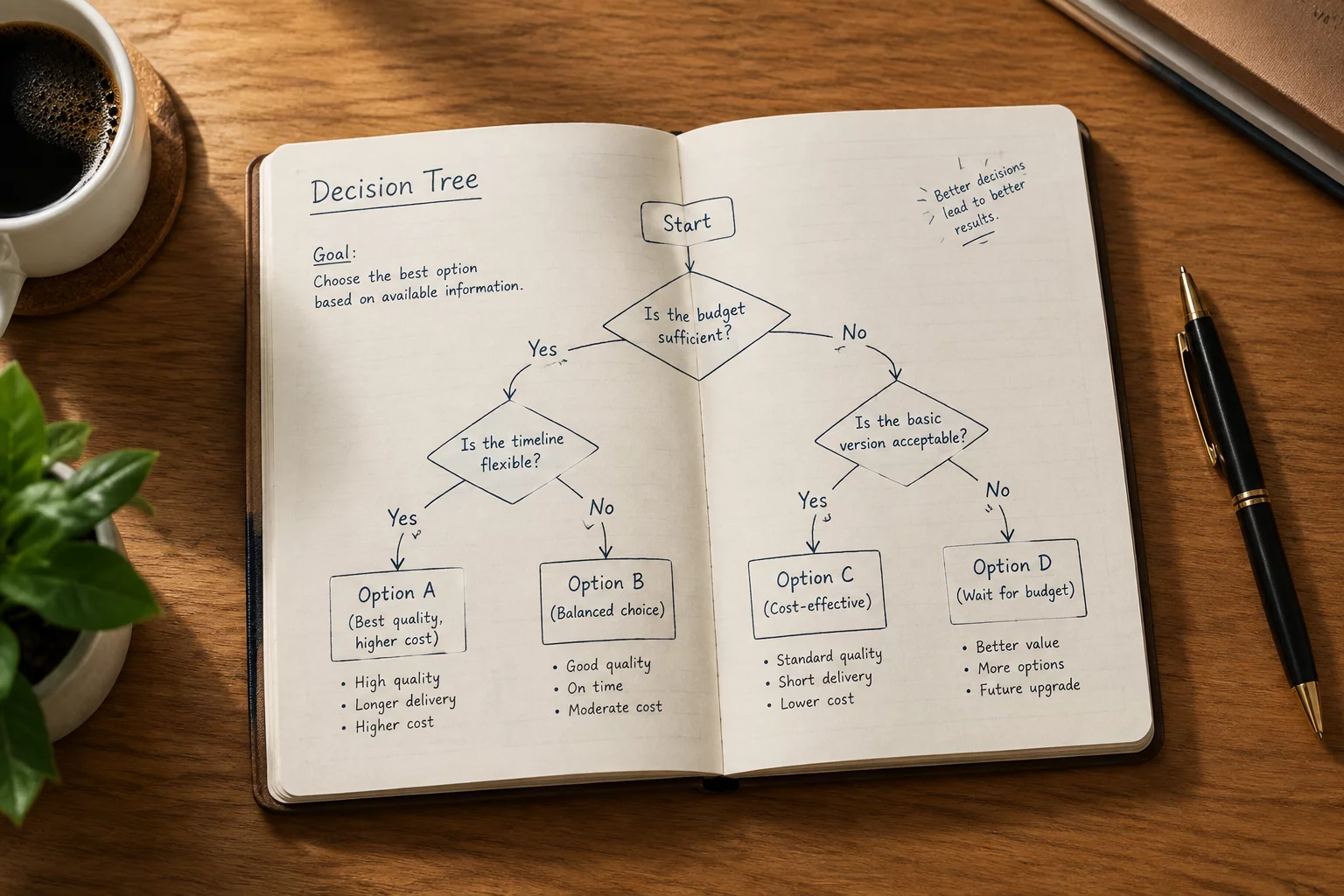
Deploying the Hybrid Preservation Framework
Rather than treating cloud and on-premises storage as mutually exclusive, modern enterprises implement a unified hybrid model. Primary working copies of completed-project materials stay indexed on local high-speed media for immediate department reference, while secondary and tertiary copies stream to low-cost cloud archive vaults.
Enforcing uniform folder hierarchies and standardized metadata schemas across both platforms ensures seamless asset discovery, safeguarding critical institutional memory against hardware decay or shifting vendor contracts.
Archival Architecture Questions
Frequently Addressed Inquiries
Archival Knowledge Base
Browse Full Archive
Related Documentation Guides


Peer Commentary
Active Thread
Archival Review Debriefs
Submit Archival Feedback
Contribute your analysis to this project record preservation log.
To leave a comment, please log in to your account.
User5
We prefer cloud.