Establishing Archive Protocols
Formalize structural taxonomies, metadata mandates, and verification workflows before project handoff stages.

Systematic methodologies for navigating ownership transitions, digital material audits, legacy asset retrieval, and multi-team documentation custody.
Explore practical protocols designed to maintain data integrity, eliminate asset abandonment, and establish clear stewardship.
Formalize structural taxonomies, metadata mandates, and verification workflows before project handoff stages.

Prevent orphaned assets during staff turnover through designated archival custodians and documented handoffs.
Clear out redundant draft iterations and establish definitive golden copies with checksum confirmation.
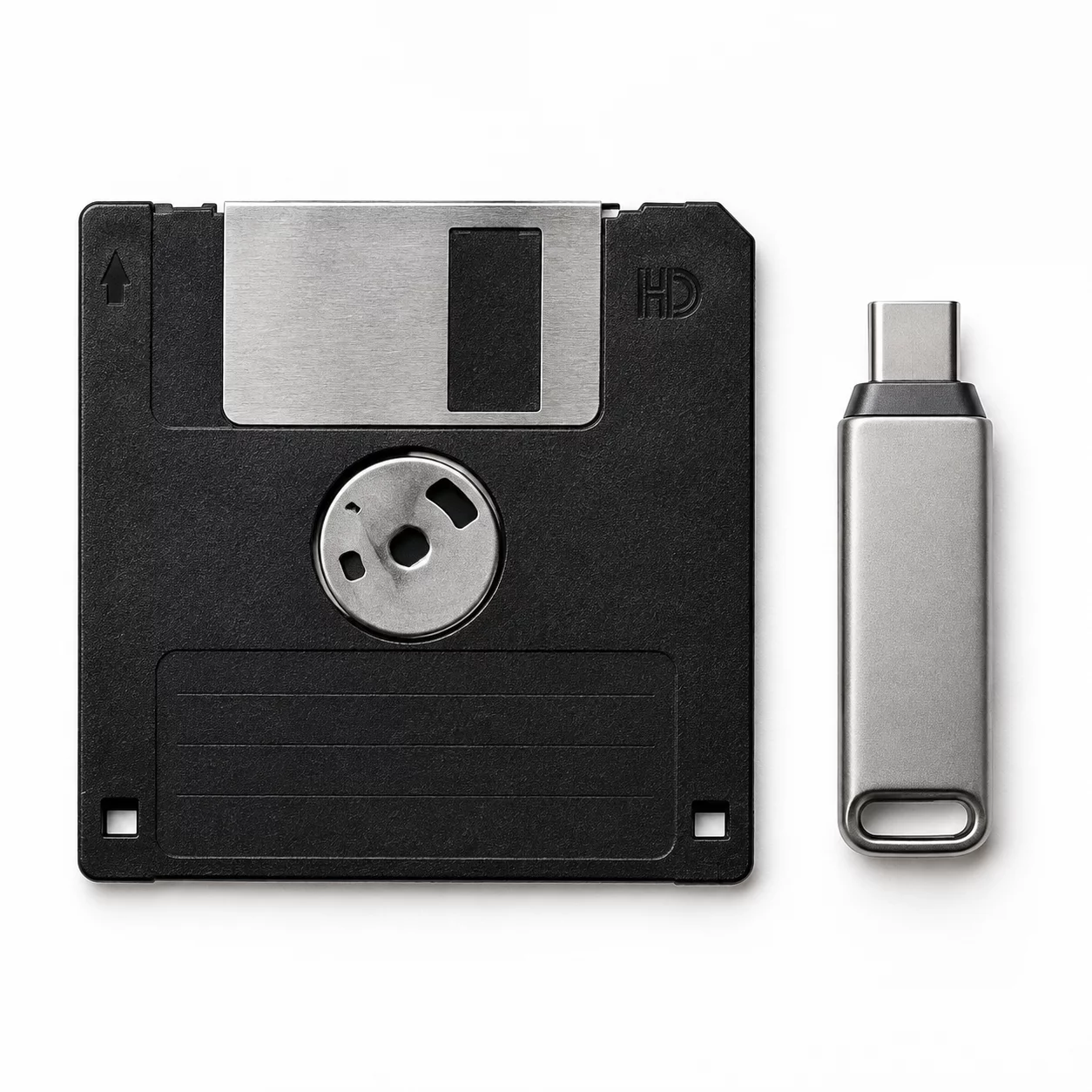
Techniques for extracting obsolete formats, unindexed cold storage blocks, and legacy file structures safely.
Decommission collaboration hubs, message boards, and sandboxes without forfeiting historical deliberations.
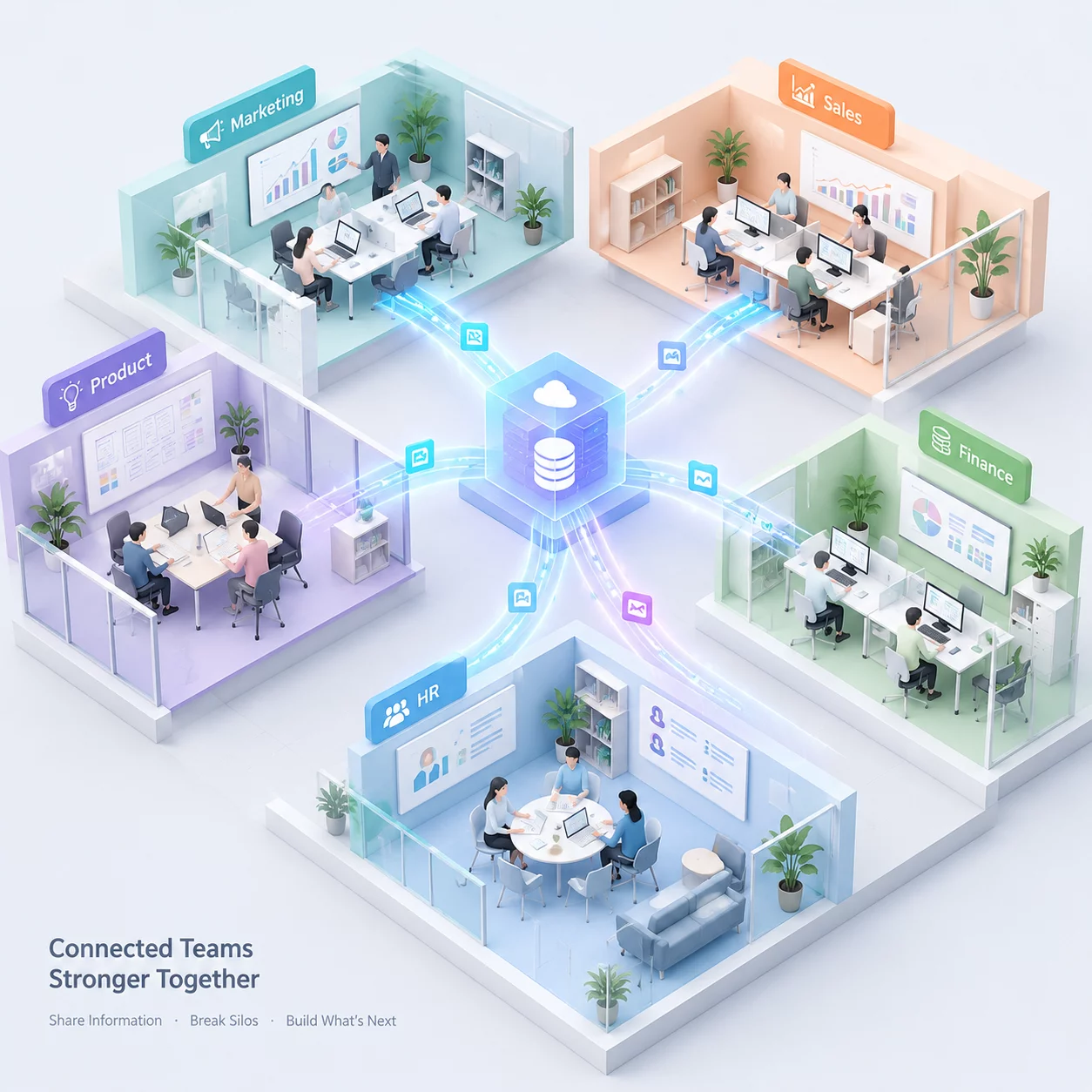
Grant interdisciplinary access privileges while enforcing role-based permissions and confidentiality safeguards.
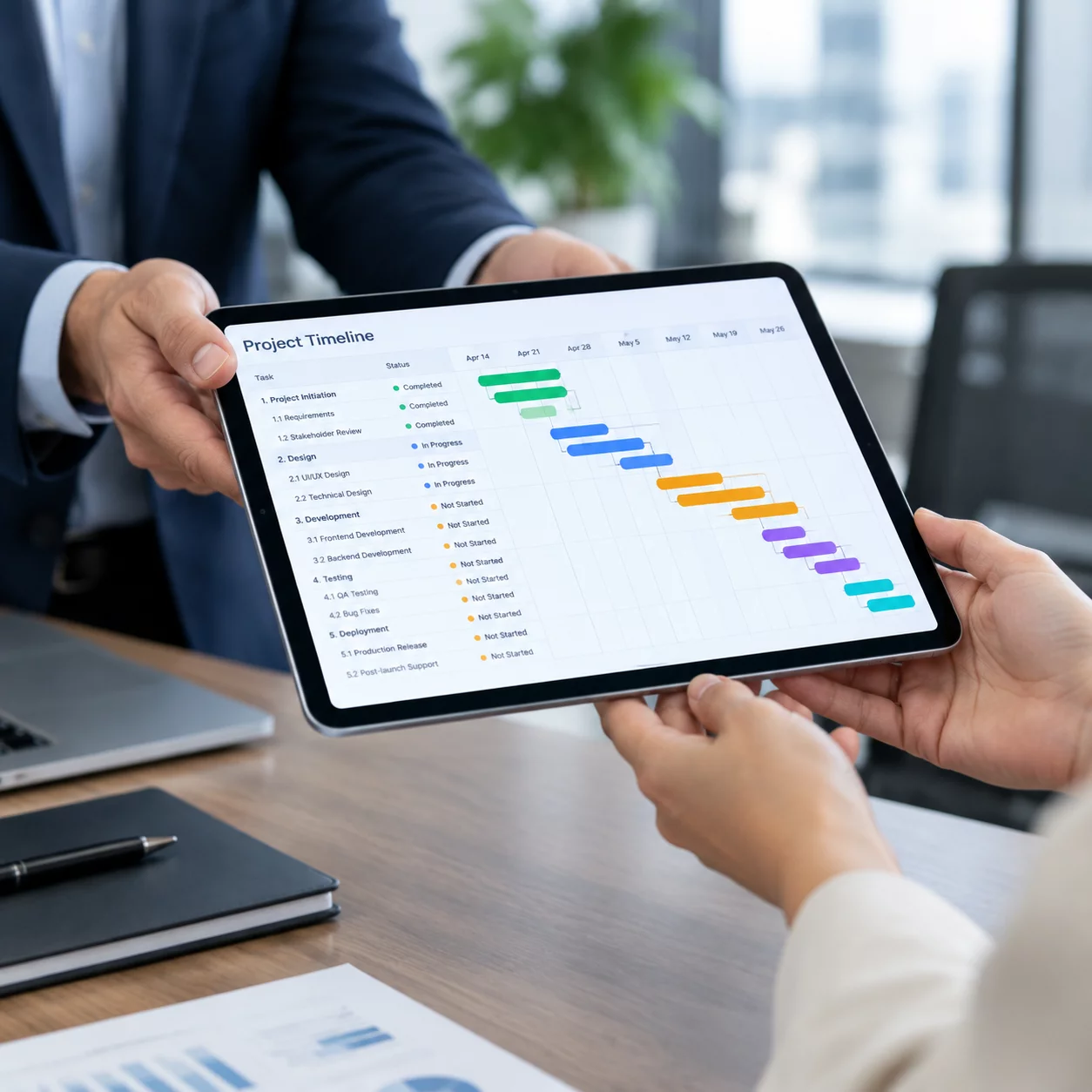
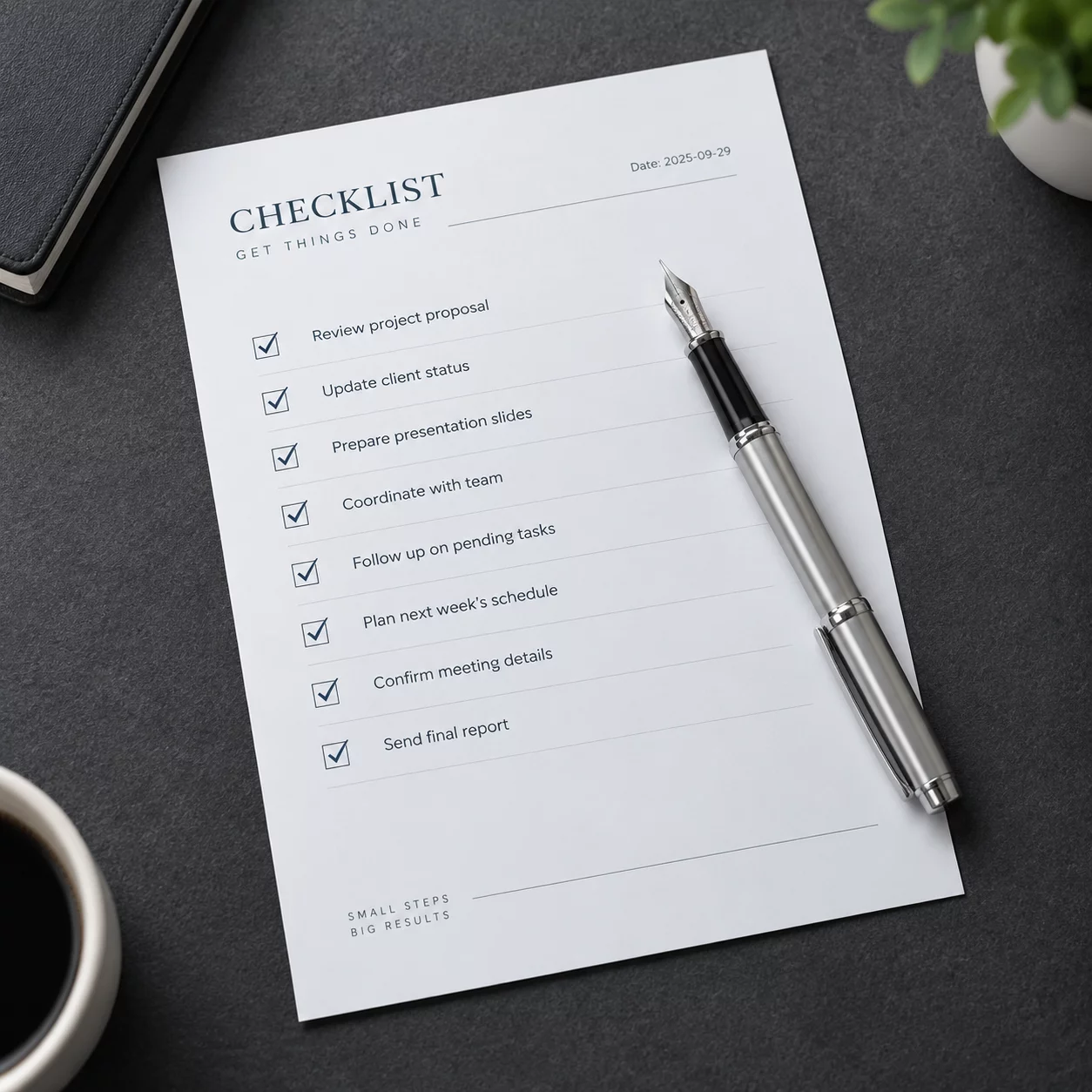
Standardized departure checklists ensuring project managers complete asset cataloging before project sign-off.
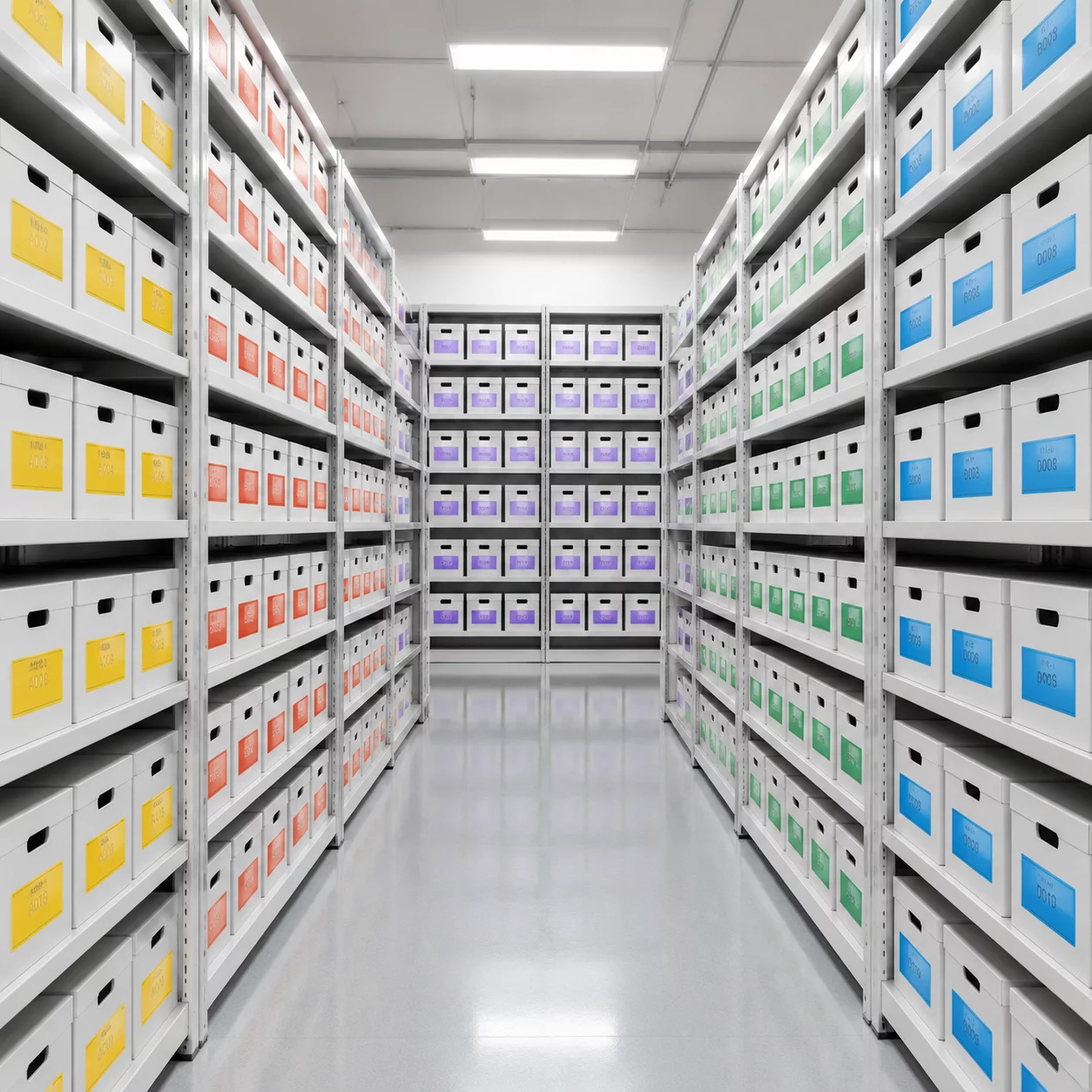
Tiered storage strategies aligning corporate retention obligations with performance and infrastructure costs.
Systematic post-mortem reviews to ensure every deliverable, contract, and asset meets preservation compliance.
Every organizational asset requires explicit accountability, verified version history, and predictable access pathways.
Standardized labeling and taxonomies ensure documents remain instantly discoverable decades after initial creation.
Designate continuous departmental custodians to prevent digital orphans and unmanaged legacy file drift.
Regular cyclical reviews and cryptographic checksums maintain institutional compliance and historical fidelity.
These guides are prompts for discussion. Record why a material was kept, who owns it now, which version is final, and when the reason should be reviewed again.
Browse Archive Stories