

Sep 01, 2026
Read Case
Audit Objective & Operational Scope
Periodic digital audits prevent decay across enterprise repositories. By systematically inspecting completed-project materials, confirming cryptographic checksums, and reviewing access privileges after project ownership changes, teams sustain verifiable, secure, and easily retrievable records.
100%
Checksum Validation
90 Days
Audit Cycle Cadence
Zero
Orphaned Records Allowed
ISO 14721
OAIS Archival Standard

Forensic file verification and deep storage audit sweep across institutional storage repositories.
SCAN-REF #9418-AUDIT
1
Phase 1 • Discovery & Inventory
Cataloging Repositories and File Structures
Effective project archive organization begins with an exhaustive inventory of all storage volumes, shared drives, and cold backup vaults. Over time, teams duplicate workspaces or leave assets scattered across disconnected cloud environments without clear registration.
Automated discovery tools crawl target repositories to generate unified directory trees. This baseline inventory uncovers hidden duplicates, legacy formats, and undocumented directories created during rapid development sprints.
- Generate recursive SHA-256 hash manifests to establish cryptographic baselines for all completed-project materials.
- Identify unlinked files, nested subdirectories, and unindexed working folders across local and cloud environments.
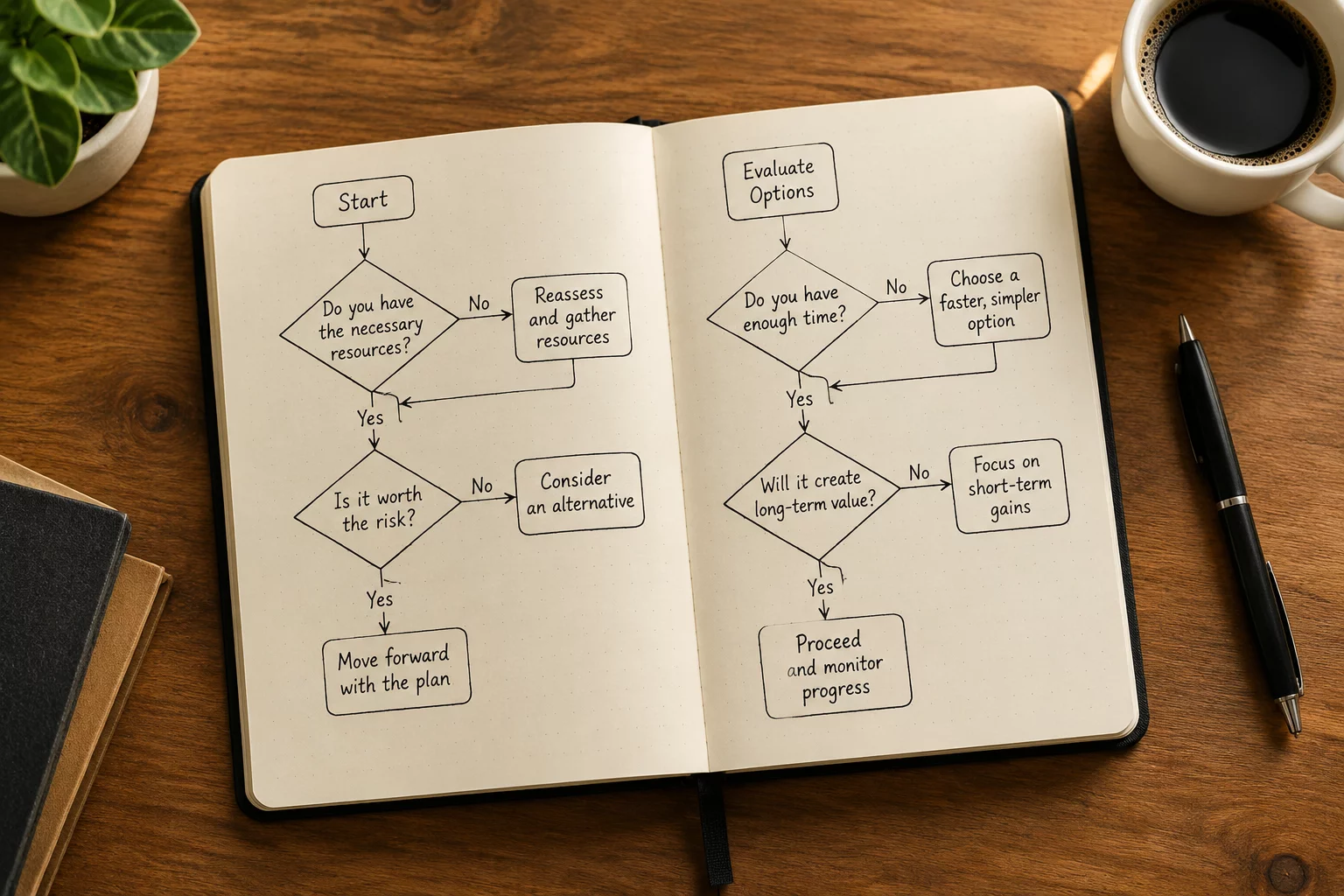
Protocol Decision Guide
Need Help Establishing Archive Protocols?
Explore our standardized framework for managing access tiers, lifecycle rules, and storage allocation decisions.
2
Phase 2 • Ownership & Access Verification
Resolving Custody Gaps and Access Permissions
Personnel turnover frequently leaves critical project repositories without an active custodian. When teams experience project ownership changes, access rights and maintenance duties must be transferred immediately to prevent orphaned collections.
Auditing ownership requires matching every project directory with a designated team lead or departmental steward who can approve retention or decommissioning decisions.
Custody Compliance Rule
Every stored dataset must have an assigned institutional steward; unowned records pose severe compliance, security, and data rot vulnerabilities.
Revoking obsolete write permissions during the audit guarantees that completed collections stay immutable, preventing unauthorized modifications or accidental file overwrites.
3
Phase 3 • Integrity & Format Sanitization
Validating Checksums and Standardizing Formats
Silent data corruption and bit rot can degrade files undetected over multi-year cycles. Routine checksum verification compares existing file hashes against baseline manifests, pinpointing corrupted blocks before irreversible damage occurs.
Proprietary and deprecated software formats present another major hurdle for long-term document organization. Converting editable working files into open preservation standards (such as PDF/A, TIFF, and CSV) guarantees future accessibility across changing software ecosystems.
- Re-calculate cryptographic hashes against historic master ledgers to detect silent data decay.
- Migrate volatile project formats into platform-independent, long-term preservation standards.
4
Phase 4 • Final Reporting & Storage Optimization
Generating Audit Ledgers and Storage Optimization
An audit concludes with a comprehensive health report summarizing total preserved volume, resolved anomalies, and verified file counts. This audit trail provides legal defensibility and departmental transparency.
Decommission temporary scratch disks and purge confirmed redundant caches once verified archive copies exist in redundant physical locations.
Audit Reference
Frequently Asked Questions
Curated Research
Browse Full Archive
Related Archival Methodologies


Peer Commentary
Active Thread
Archival Review Debriefs
Submit Archival Feedback
Contribute your analysis to this project record preservation log.
To leave a comment, please log in to your account.
No comments yet. Be the first to leave a comment.