
2026-08-15
Read Case
Diagnostic Summary of the Orphaned Workspace
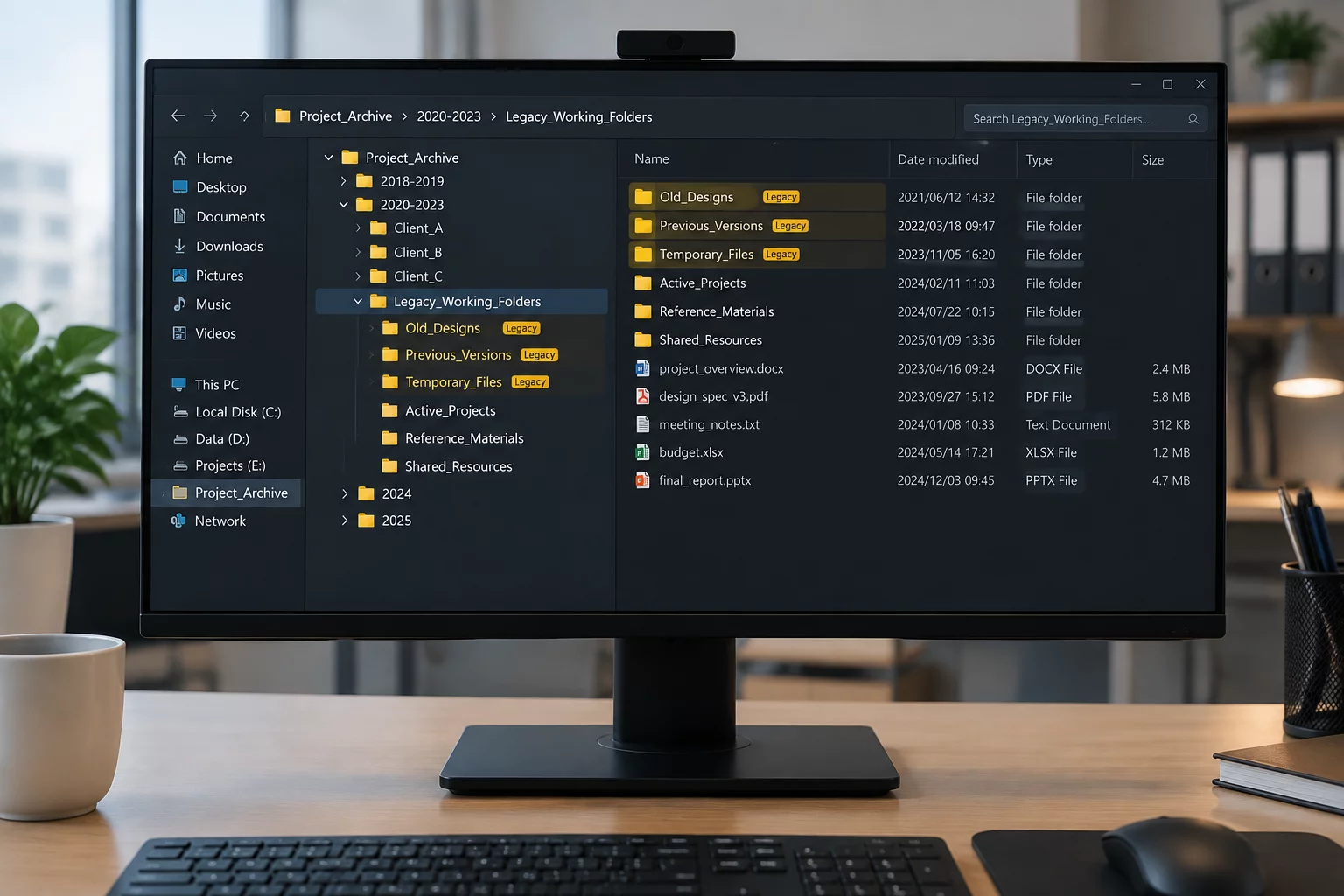
During a rapid cloud migration in early 2024, an engineering department opened a secondary sandbox titled "Sprint-Migration-Drafts" to coordinate assets outside the formal repository. The project concluded ahead of schedule, but the workspace remained live without an appointed curator. Over the following two years, multiple project ownership changes led adjacent teams to treat this unmanaged space as a viable archive, scattering completed-project materials across rogue folders and crippling long-term document organization.
840 Days
Active Ghost State
420 GB
Unindexed Files
3 Shifts
Ownership Transitions
Zero Locks
Decommissioning Status
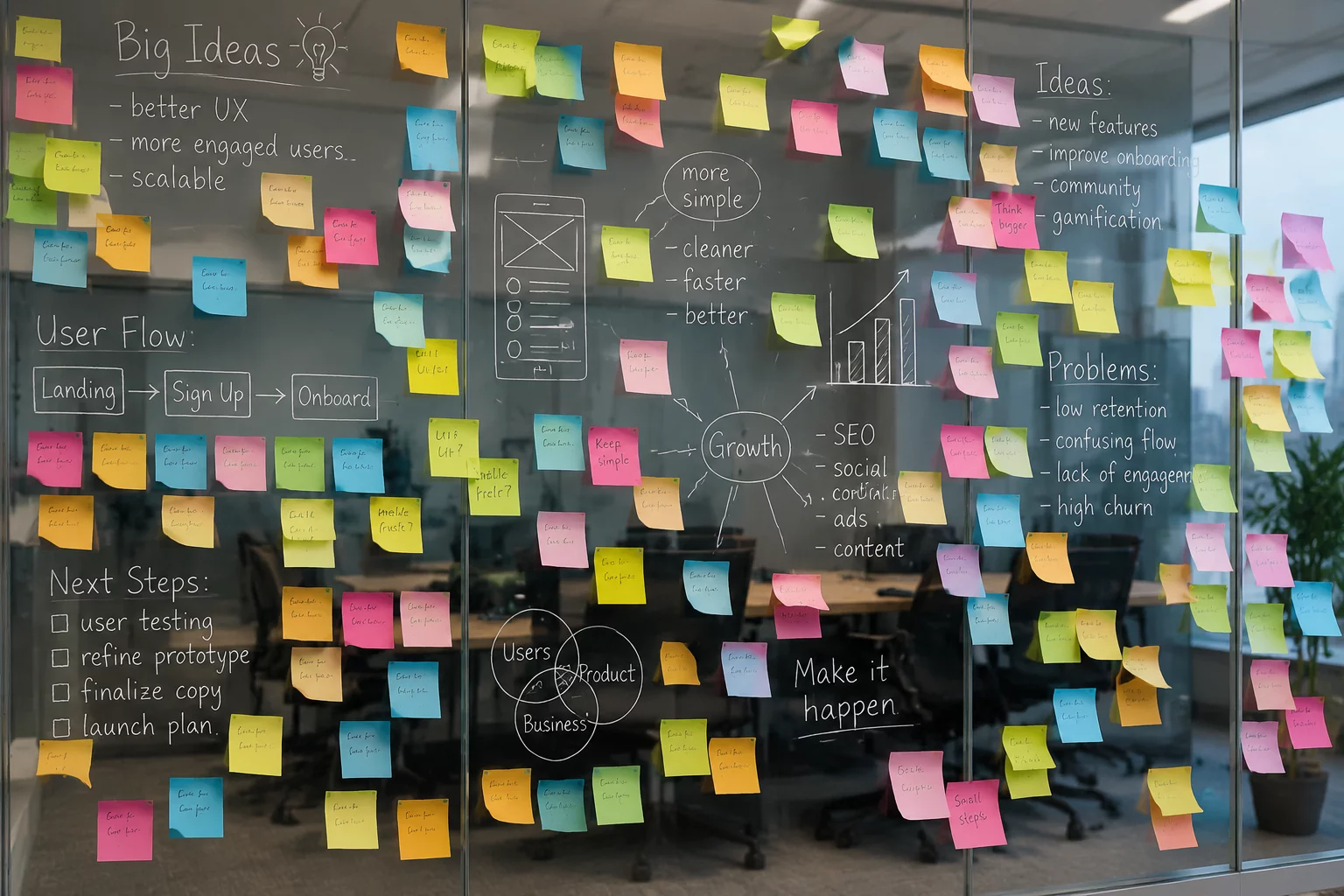
Visual mapping of orphaned cloud workspaces and disconnected file branches discovered during archival audit.
CASE REF: WKS-902-REV
1
Initial Setup & Drift
The Creation of an Uncataloged Staging Hub
To avoid cluttering the production server during sprint reviews, contractors established an ad-hoc shared drive. The team planned to merge all final assets into the formal repository right before delivery. However, the final push prioritized delivery dates over project archive organization, leaving the working directory accessible to ninety team members without an explicit expiration date.
Because the directory retained edit permissions, junior staff members continued modifying files inside it for subsequent releases. The space gradually turned into a shadowy repository where nobody knew whether a given file was a draft or a validated production baseline.
- Ad-hoc folder structures bypassed existing naming conventions and access control rules.
- Automated archival routines ignored unindexed working directories entirely.
Operational Guidelines
Need a Structured Workspace Decommissioning Protocol?
Explore actionable frameworks for archiving completed projects, revoking orphan drive permissions, and maintaining master documentation records.
2
Personnel Turnover
How Ownership Changes Compound File Degradation
Six months into the deployment, the lead technical architect relocated to another department. Successive project ownership changes followed, with three different managers assuming oversight over eighteen months. None of them received an inventory of temporary resources created during earlier development cycles.
Incoming staff members assumed the open staging environment was the actual production storehouse. They added new client specifications directly alongside obsolete working drafts, creating massive duplication that compromised long-term document organization across the whole unit.
The Risk of Silent Working Drives
When temporary workspaces remain accessible after sign-off, teams invariably treat them as informal archives. Completed-project materials become polluted by speculative drafts, obscuring the authentic baseline.
By month twenty, thirty-four distinct design files shared almost identical filenames across the central server and the forgotten sandbox, creating substantial confusion during regulatory compliance reviews.
3
Audit & Discovery
Detecting Ghost Assets and Structural Discrepancies
An enterprise-wide storage assessment revealed the existence of this unmanaged drive. Storage logs showed four hundred and twenty gigabytes of unindexed content consuming active cloud tiering budget. The archival analysis team initiated a forensic comparison between the live sandbox and the official project storage.
The investigation demonstrated that fourteen critical engineering changes existed exclusively in the unclosed workspace. They had never been reconciled into the master documentation set, leaving the primary corporate archive severely incomplete.
- Over 1,200 obsolete binary files were purged after verifying metadata against release tags.
- Fourteen unique configuration manifests were extracted, signed, and moved to permanent storage.
4
Resolution & Policy
Enforcing Automated Expiration and Consolidation
The company enacted a mandatory workspace sunsetting policy to ensure all completed-project materials transition into read-only states immediately following product release. Temporary cloud spaces now carry mandatory sixty-day automated destruction tags unless an explicit exemption is granted by governance officers.
By instituting automated lifecycle triggers and regular audit cadences, the organization eliminated duplicate draft pollution, safeguarding long-term document organization across future projects.
Case Inquiries
Questions on Temporary Workspace Governance
Related Chronicles
Browse All Stories


Archival Review Debriefs
Submit Archival Feedback
Contribute your analysis to this project record preservation log.