

2026-08-15
Read Case
Retrospective Executive Summary
During an audit of completed-project materials across the regional supply chain overhaul, three distinct files claimed the title of the final presentation deck. Each version contained slight alterations in milestone timelines, stakeholder sign-offs, and estimated cost allocations. Unraveling the true source of truth exposed gaps in long-term document organization and highlighted why cross-team version locking must occur immediately after project closeout.
3 Decks
Conflicting final decks
14 Days
Audit duration
1 Master
Reconciled baseline
100%
Verified compliance

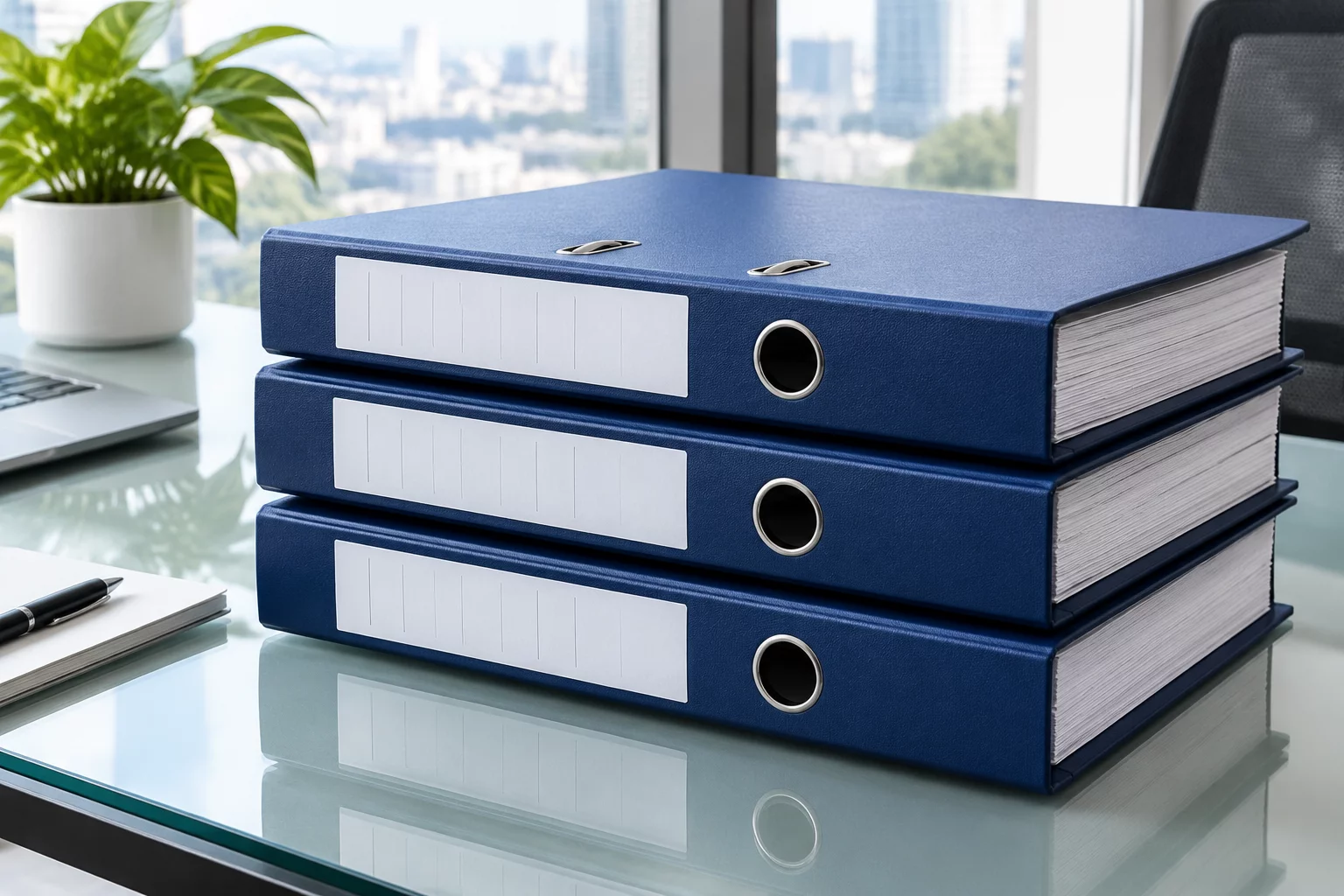
Comparative deck examination during the cross-departmental reconciliation audit.
ARCH-CASE-8841
1
Initial Discovery
The Divergence of Three 'Final' Pitch Decks
When operations requested the approved rollout schedule six months after launch, team leads retrieved three separate presentations from local and shared drives. Marketing maintained a deck with extended promotional launch dates, while Engineering archived a copy with modified technical release criteria.
The third copy, held by Finance, contained revised capital expenditure forecasts that had never made their way into the operational briefing. None of the files had standardized version tags or read-only locks, making it nearly impossible to determine which deck represented the formal executive approval.
- Conflicting milestone deliverables across three distinct team workspaces.
- Lack of centralized project archive organization following client handover.
Framework Guide
Avoid Version Divergence with Single Source Protocols
Learn how to implement post-project locking checklists to ensure final deliverables are consolidated into an unalterable repository.
2
Root Cause Analysis
Siloed Edits During Project Ownership Changes
Tracking the edit logs revealed that last-minute changes occurred simultaneously across different branches in the week leading to the executive presentation. Because no single owner was designated for final consolidation, each department lead exported their own customized slide deck for specific stakeholders.
In the rush to wrap up the project, these localized copies were saved as 'Final_v2_Approved' across disconnected cloud storage accounts. Over time, staff transitions and project ownership changes obscured who held the authentic baseline document.
Archival Finding
When teams duplicate completed-project materials without centralized governance, divergent historical narratives emerge that complicate future audits and legal verifications.
The lack of explicit write-protection permitted secondary modifications even months after the project team had formally disbanded.
3
Resolution Protocol
Reconstructing the Authoritative Record
Resolving the discrepancies required reviewing timestamped steering committee minutes alongside executive sign-off emails. The audit team cross-checked slide-by-slide changes against formal purchase orders to isolate which metrics received final approval.
Once the authentic slides were verified, the remaining divergent files were tagged as legacy drafts and moved into an isolated historical subfolder. The confirmed baseline was converted to an immutable archive format with clear metadata records.
- Reconstructed single master record with verified cryptographic checksums.
- Established strict long-term document organization policies for all future initiatives.
4
Long-Term Safeguards
Instituting Universal Project Archive Policies
Following the reconciliation, the organization instituted mandatory handoff checklists that forbid closing a project budget until a consolidated archive package is submitted. Departmental drives are now locked into read-only states immediately following project completion.
By enforcing clear custody chains and automated metadata tagging, future project ownership changes no longer jeopardize the clarity and accessibility of vital company records.
Archival Clarifications
Frequently Asked Questions
Case Archive
Browse Full Archive
Related Archival Dispatches


Peer Commentary
Active Thread
Archival Review Debriefs
Submit Archival Feedback
Contribute your analysis to this project record preservation log.
To leave a comment, please log in to your account.
Tom Hardy
Version control is a nightmare without policies.