

2026-08-22
Read Case
Executive Case Summary
When enterprise projects wrap up, team members move swiftly to next-quarter deliverables, leaving active directories intact. This review examines how unclosed workspaces create sprawl, why completed-project materials need deliberate decommissioning, and how systematic project archive organization maintains clarity across departments.
14 Months
Dormant Duration
18 Accounts
Unrevoked Access
4 Duplicate Trees
Version Forks
100% Retained
Archival Fidelity
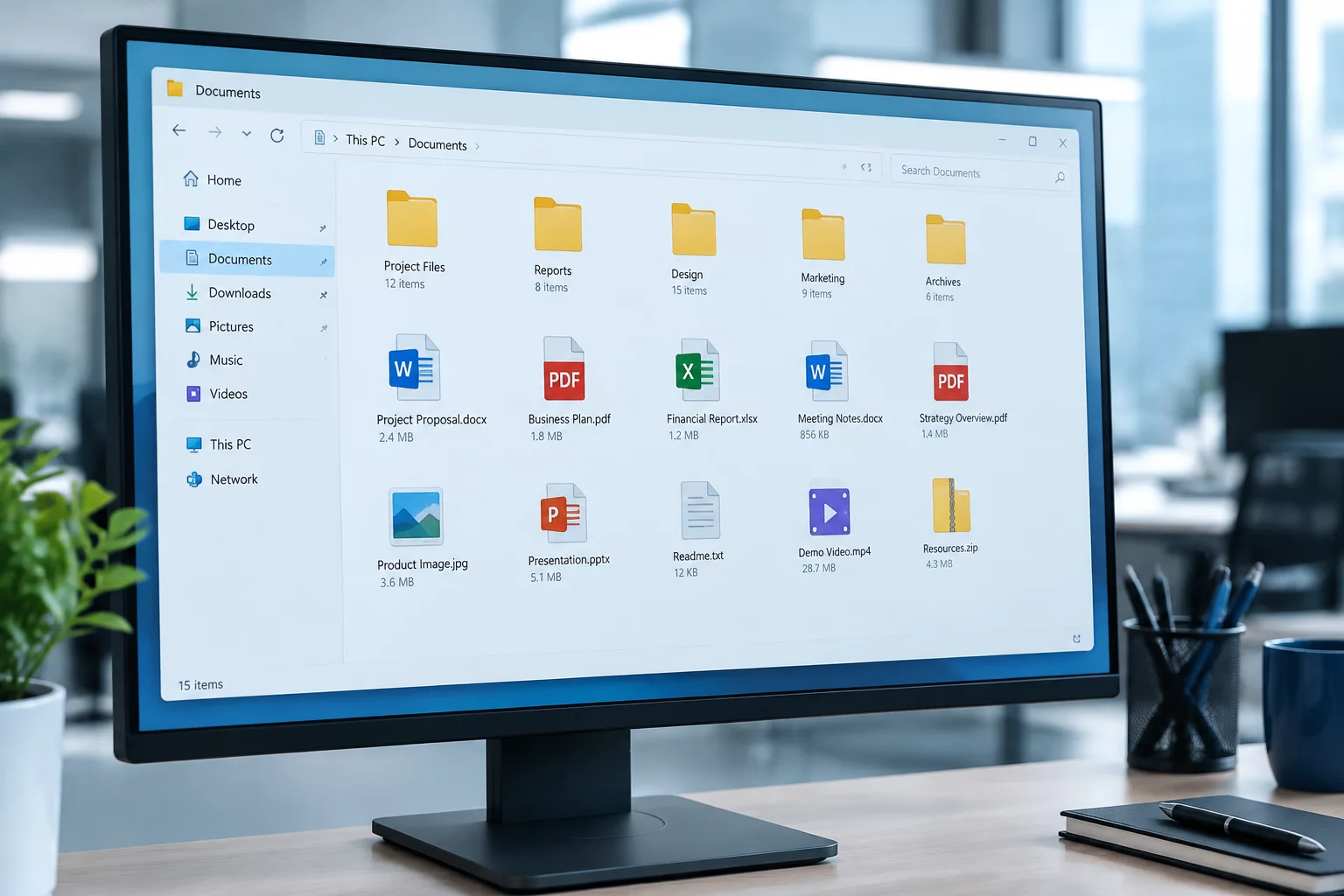
Primary audit capture of the orphaned enterprise workspace structure
FIG-ST01-0826
1
Incident Discovery
The Illusion of Finality in Active Directories
Teams celebrated the product launch and immediately transitioned to subsequent initiatives, leaving the central shared directory untouched. Everyone assumed that the final deliverables had been consolidated by someone else, yet the live folder continued to accumulate ad-hoc modifications from external contractors and legacy stakeholders.
Routine cloud storage scans identified over two hundred gigabytes of draft assets sitting in read-write mode without an active custodian. Crucial completed-project materials sat mixed with provisional scratchpads, confusing engineers who later consulted the repository for architectural reference.
- Live write permissions remained enabled for fourteen offboarded contractor accounts.
- Unsynchronized local caches caused multiple diverging branches of final specifications.
Protocol Guideline
Need a Structured Protocol for Workspace Decommissioning?
Explore our decision blueprints on formalizing handoffs, consolidating project records, and preserving knowledge fidelity.
2
Vulnerability Assessment
When Custody Fades and Ownership Disappears
Staff reallocations compounded the problem over subsequent quarters. When inevitable project ownership changes occurred, new department leads inherited a cluttered hierarchy containing undocumented spreadsheets, preliminary pitch drafts, and conflicting configuration exports.
No single person possessed clear authority to delete obsolete files, so fear of breaking production workflows kept the bloated folder preserved indefinitely in high-cost primary cloud storage.
Audit Checkpoint
Without an explicit retention rule, 74% of enterprise teams leave decommissioned folders on active hot storage indefinitely, exposing intellectual property to unmonitored lateral access.
This organizational friction underscored why modern enterprises require rigorous long-term document organization from day one rather than attempting retroactive cleanups years down the road.
3
Resolution Protocol
Executing Systematic Project Archive Organization
The archival team initiated a three-stage remediation workflow. First, they executed automated checksum comparisons to isolate golden-record deliverables from disposable working iterations.
They then locked the root directory to read-only, stripped non-essential collaborator permissions, and appended standardized metadata manifests to define the operational lifespan of each artifact.
- Generated immutable SHA-256 validation logs for all finalized technical schematics.
- Transferred verified records into cold tier storage with strict compliance indexing.
4
Long-Term Impact
Institutional Memory Without Storage Chaos
By enforcing an explicit closing ritual for finished projects, the organization eliminated directory confusion and reduced recurring cloud storage costs by 32%. Incoming team members now access an authenticated index rather than sorting through unverified folders.
Formalizing workspace retirement ensures completed-project materials serve as reliable historical references while eliminating unmonitored attack surfaces across enterprise infrastructure.
Frequently Asked Questions
Addressing Common Workspace Retention Challenges
Case Studies
Browse All Stories
Related Organizational Dispatches

Peer Commentary
Active Thread
Archival Review Debriefs
Submit Archival Feedback
Contribute your analysis to this project record preservation log.
To leave a comment, please log in to your account.
Sarah Jenkins
Fascinating look into folder retention. The structural breakdown of documentation anomalies offers crucial context for current field researchers.