
Aug 15, 2026
Read Case
Institutional Custodianship Assessment
A multi-year organizational audit uncovered core architectural specifications that had zero recorded author or designated team steward. This case study demonstrates how unmonitored project ownership changes create informational voids and why proactive long-term document organization remains indispensable for corporate longevity.
14 Months
Average Transition Cycle
87% Risk
Orphaned Asset Exposure
4 Handoffs
Without Metadata Logs
100% Indexed
Reconstructed Repositories

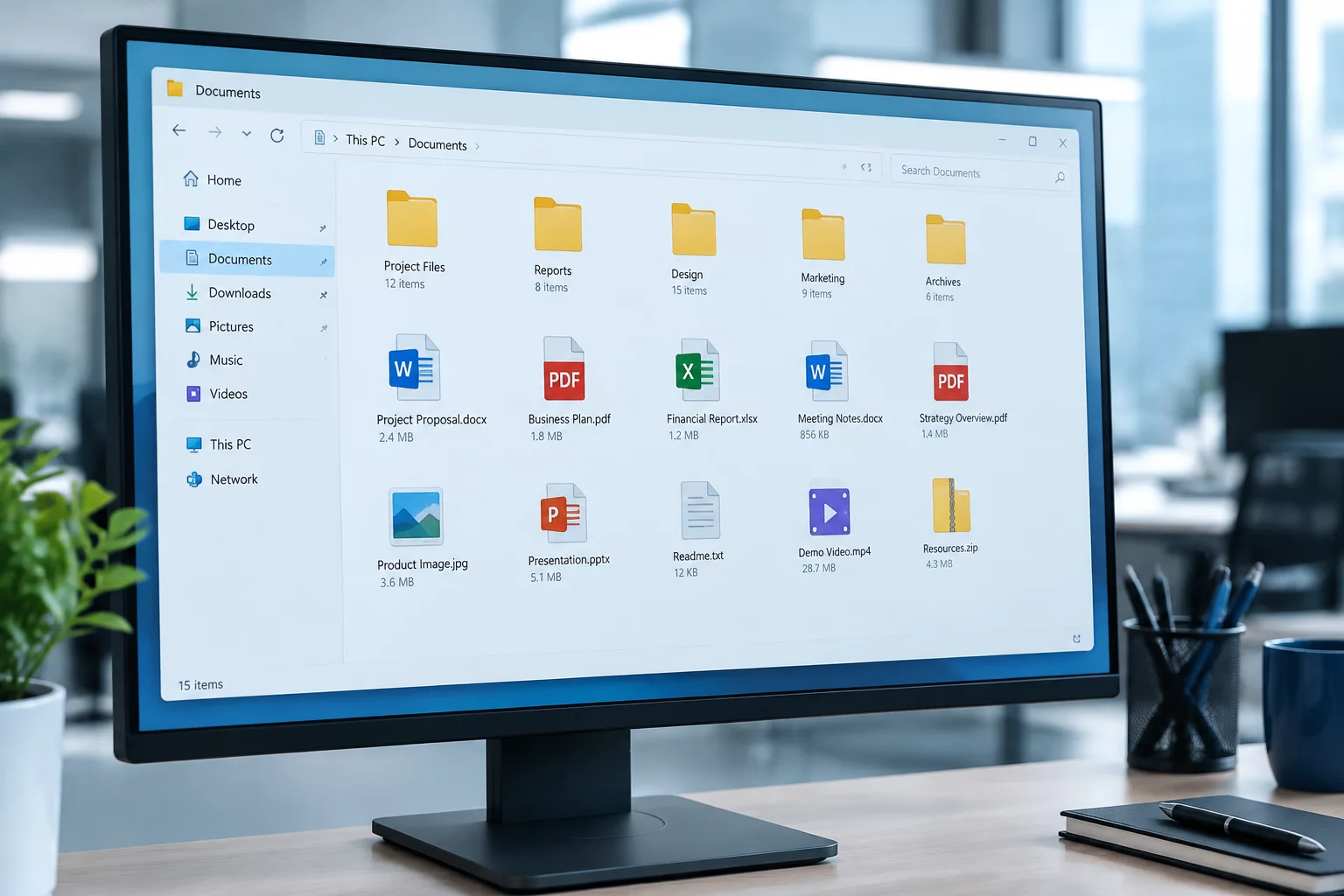
An unassigned workstation holding uncataloged project notebooks after multiple staffing transitions.
ARCH-FIG-02
1
Phase 1 • Staff Transitions
The Unnoticed Departure of Primary Authors
Every fast-moving department experiences continuous project ownership changes as senior specialists shift to newer initiatives or depart the organization. Without enforced handoff protocols, individual work drives become static data islands that successor teams hesitate to claim.
In this corporate unit, critical database schemas and infrastructure configurations were maintained across individual drives rather than centralized project archive organization systems, severing the link between operational files and active custodians.
- Authorship records disappeared following consecutive account deactivations without data reassignment.
- Operational teams lost roughly 160 hours trying to re-verify compliance constraints with external vendors.
Archival Governance Tool
Managing Ownership Transitions Framework
Implement mandatory custodianship reassignment checkpoints whenever personnel transitions occur across operational teams.
2
Phase 2 • Discovery & Friction
Uncovering Orphaned Repositories During Audits
During an enterprise platform migration, engineers encountered gigabytes of completed-project materials stored under arbitrary server pathways. The folders contained critical runtime scripts, yet none possessed clear creator identity tags or usage guidelines.
Because nobody stepped forward as the rightful steward, development teams debated whether deleting the assets would compromise production integrity or if retaining them posed security liabilities.
Audit Diagnostic Conclusion
Unclaimed legacy folders consume compounding storage budgets and cause legal ambiguity. Unassigned assets must be immediately triaged rather than left in indefinite operational limbo.
This organizational friction highlighted the urgent necessity for long-term document organization practices that assign persistent team-level ownership rather than linking files solely to individual employee email accounts.
3
Phase 3 • Forensic Recovery
Reconstructing Context Through Forensic Trails
Archival investigators initiated a comprehensive provenance audit, parsing historical commit timestamps, server backup snapshots, and project meeting summaries. They mapped the unowned scripts directly to an integration sprint conducted three years earlier.
By correlating code comments with legacy sprint boards, the team accurately identified the original architectural intent and successfully reunited the documentation with the corresponding department.
- Automated log scanning mapped 94 orphaned subfolders back to original project milestones.
- Standardized metadata templates were retrofitted to all preserved completed-project materials.
4
Phase 4 • Policy Execution
Establishing Permanent Custodianship Policies
To ensure future resilience, the leadership adopted a structured policy mandating that all completed-project materials belong to permanent functional roles rather than single individuals. Whenever team reassignments occur, custodianship transfers automatically through clear operational handoff checklists.
This streamlined approach to project archive organization ensures that regardless of staff turnover, every specification, repository, and design document remains discoverable, secure, and clearly owned throughout its complete lifecycle.
Knowledge Retention FAQ
Frequently Asked Questions
Case Records
Browse All Stories
Related Archival Investigations



Peer Commentary
Active Thread
Archival Review Debriefs
Submit Archival Feedback
Contribute your analysis to this project record preservation log.
To leave a comment, please log in to your account.
Mark Lee
Ownership is always the hardest part to track.