
2026-07-10
Read Case
Executive Protocol Brief
Temporary collaborative drives, digital whiteboards, and transient staging environments routinely outlast the active initiatives that generated them. When project teams disband without structured teardown protocols, critical project milestone documents remain isolated in unmonitored silos while recurring cloud fees and credential vulnerabilities quietly persist. This operational standard defines four structured stages for asset extraction, access revocation, checksum reconciliation, and final environment deprovisioning.
100% Extraction
Deliverable Harvesting
Zero-Trust Cutoff
Credentials & API Keys
14-Day Cooldown
Read-Only Freeze Phase
SHA-256 Validated
Archive Repository Ingestion

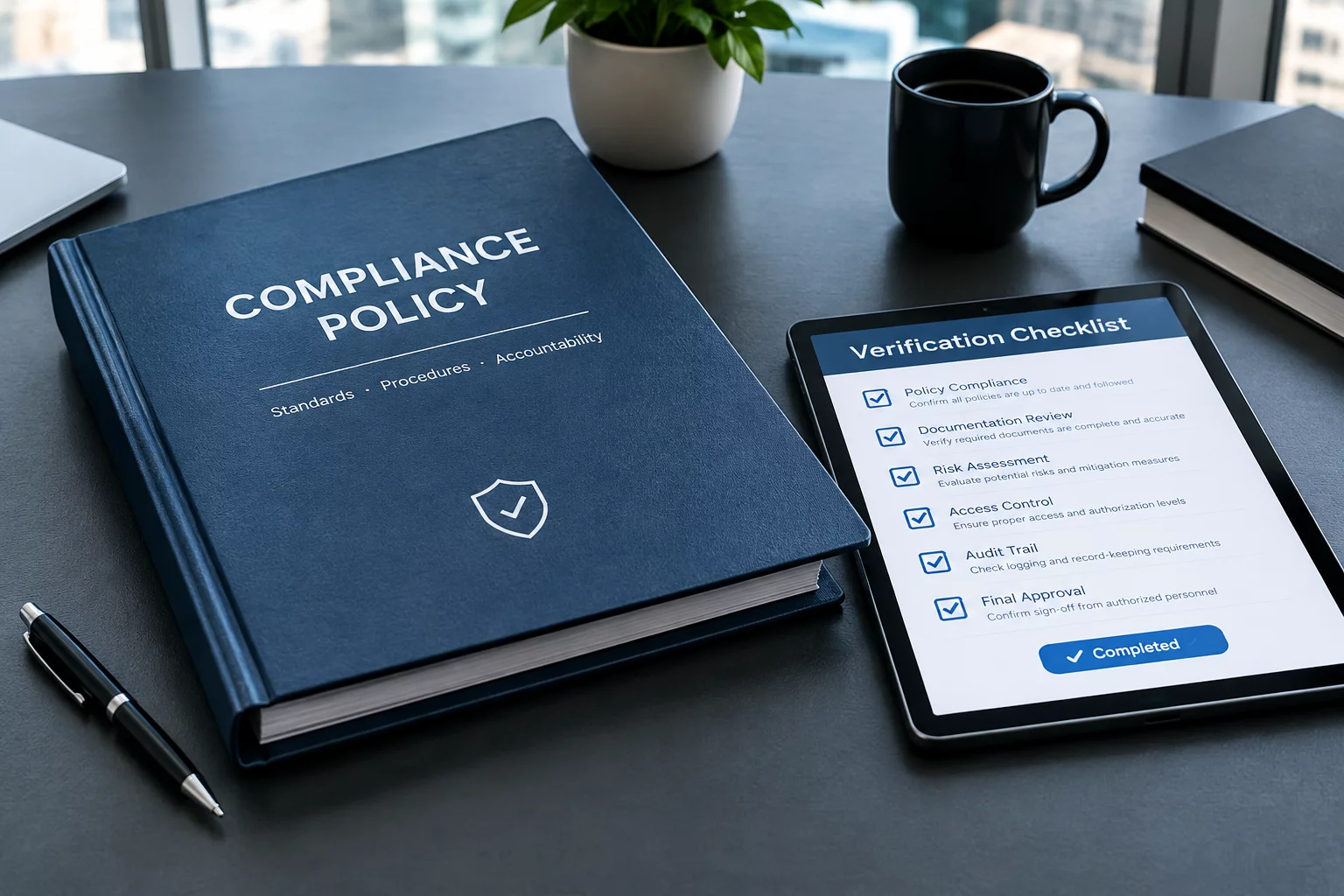
Visual record of administrator executing workspace retirement and access deprovisioning procedure.
DEC-REF-005
1
Phase I: Scoping
Comprehensive Discovery of Project Sandboxes and Channels
Modern cross-functional initiatives scatter data across cloud storage containers, team chat channels, interactive whiteboard boards, and code sandboxes. The workspace closure process starts by enumerating every external and internal staging environment spun up during the project.
Each discovered environment undergoes triage against the project deliverable index to distinguish disposable test data from authentic milestone documentation that must be preserved indefinitely.
- Audit all collaborative boards, transient drives, and contractor channels against master deliverable lists.
- Tag approved architectural decisions, final briefs, and asset bundles for institutional migration.
Institutional Guidance
Need Tailored Decommissioning Guidelines for Your Department?
Consult our complete database of governance standards and documentation blueprints to prevent information fragmentation across project life cycles.
2
Phase II: Access Cutoff
Freezing Write Privileges and Revoking Guest Credentials
To eliminate version discrepancies during data harvesting, all write permissions across the temporary workspace must be halted immediately upon project completion. The environment shifts to read-only status for all active contributors.
A fourteen-day cooling-off window allows team members to verify that no unaccounted dependencies exist, while automated access management systems invalidate external contractor tokens and temporary guest accounts.
Security Protocol Rule
Third-party webhooks, continuous integration API keys, and external vendor privileges tied to the temporary environment must be terminated before data packaging begins.
Deprovisioning credentials early guarantees that external parties cannot introduce alterations or extract sensitive draft collateral without administrative oversight.
3
Phase III: Data Export
Master Asset Harvesting and Integrity Validation
Extraction tools package final presentation slides, design components, decision logs, and research records into vendor-neutral formats such as PDF/A, structured JSON directories, and lossless archive containers.
Automated hash generation processes compute cryptographic checksums for every migrated bundle, confirming that transferred files match the source versions without byte-level corruption.
- Extract conversation summaries and approval threads into indexed text and markdown documents.
- Ingest exported artifacts into the permanent institutional archive repository with validated metadata tags.
4
Phase IV: Teardown
Final Decommissioning, Sanitation, and Seat Reclamation
Once repository administrators issue formal verification of successful archive receipt, the temporary workspace instance is marked for permanent deletion. Cloud storage buckets, sandbox environments, and ephemeral boards are purged according to organizational data sanitization standards.
Associated software seat licenses are released back to the corporate resource pool, reducing overhead costs and ensuring that unmonitored legacy environments never accumulate orphaned data.
Operational Questions
Frequently Addressed Protocol Inquiries
Related Decision Frameworks
Browse Full Decision Base
Governance & Archival Procedures


Peer Commentary
Active Thread
Archival Review Debriefs
Submit Archival Feedback
Contribute your analysis to this project record preservation log.
To leave a comment, please log in to your account.
No comments yet. Be the first to leave a comment.