

July 15, 2026
Read Case
Operational Strategy & Objective
When projects conclude, documentation often disperses across personal folders, chat logs, and unmonitored cloud drives. Establishing formal archive protocols ensures that valuable technical specifications, client correspondence, and final design assets remain traceable, secure, and accessible for future institutional reuse. Our long-term document organization framework transforms chaotic workspaces into searchable digital assets.
100%
Version Traceability
4-Tier
Storage Classification
14 Days
Post-Close Freeze Window
ISO/IEC
Compliance Alignment
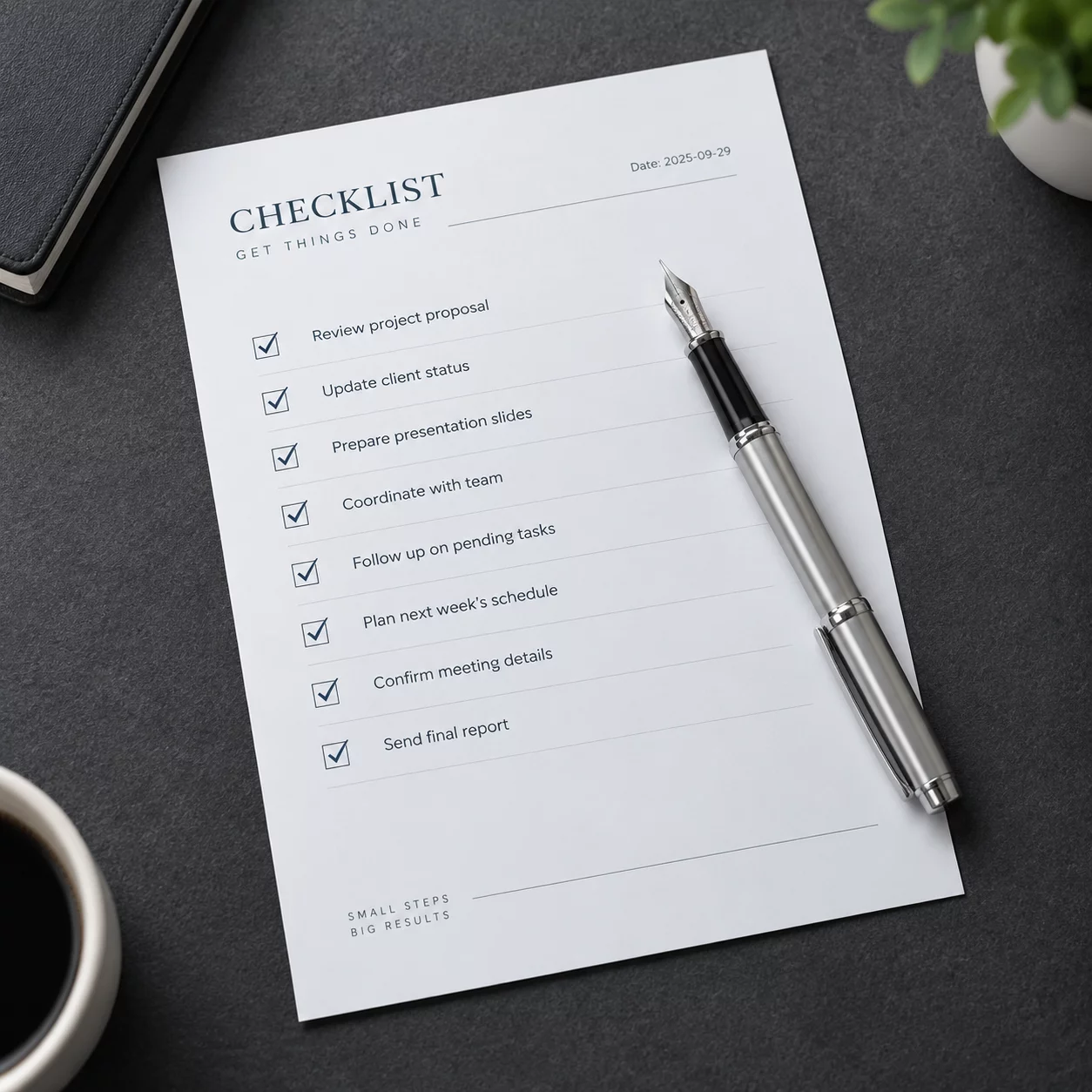
Master archival checklist execution during systematic project decommissioning.
PROTOCOL // PROTO-DEC-01
1
Stage 1: Inventory & Consolidation
Identifying Critical Project Assets
The primary phase of project archive organization requires mapping all digital repositories utilized during active delivery. Working channels, draft boards, and cloud repositories often contain unindexed final deliverables that risk loss after project sign-off.
Project teams compile an asset registry that separates ephemeral working drafts from approved client deliverables. Isolating completed-project materials prevents obsolete revisions from polluting the long-term documentation index.
- Audit working directories for untracked deliverable iterations and design source packages.
- Cross-reference client milestones against stored deliverables to confirm complete version coverage.
Organizational Governance
Standardize Cross-Team Retention Rules
Explore our comprehensive decision models on managing project ownership changes and workspace decommissioning.
2
Stage 2: Ownership & Access Governance
Reassigning Administrative Stewardship
Individual team members must never retain exclusive administrative control over completed-project materials. Managing project ownership changes proactively prevents orphaned drives and broken links when personnel rotate or resign.
Transferring repository permissions to appointed knowledge stewards guarantees ongoing security. Stewardship mandates require periodic access audits and verified retrieval procedures.
Custody Requirement
Every archived project folder must possess an appointed departmental custodian responsible for approving external read requests and conducting annual retention reviews.
Establishing dual-key administrative delegation guarantees institutional continuity even during rapid staff turnover.
3
Stage 3: Metadata Tagging & Structuring
Standardizing Taxonomy and Folder Hierarchies
Effective long-term document organization relies upon uniform folder naming conventions and standardized metadata schemas. Files must be cataloged with date stamps, project identifiers, client handles, and confidentiality tiers.
Without structured taxonomies, team members lose significant billable hours searching for past reference blueprints. Consistent metadata tags ensure search filters immediately locate source files.
- Apply uniform naming templates: YYYY-MM_ProjectCode_DeliverableName_vFinal.
- Embed descriptive project context summaries in the root directory Readme file.
4
Stage 4: Decommissioning & Read-Only Lock
Freezing Workspaces and Read-Only Transition
Once final verification completes, project workspaces must switch to read-only mode to prevent accidental tampering or unauthorized edits. Active messaging channels and temporary task boards should be archived and closed within fourteen business days.
Automated backup snapshots are then dispatched to resilient cold storage vaults, maintaining data preservation across decades while keeping operational cloud environments uncluttered.
Protocol Questions
Frequently Asked Questions on Archive Protocols
Decision Frameworks
Browse Full Archive
Related Archival Decisions


Peer Commentary
Active Thread
Archival Review Debriefs
Submit Archival Feedback
Contribute your analysis to this project record preservation log.
To leave a comment, please log in to your account.
No archival reviews recorded yet. Be the first to submit peer feedback.