
July 10, 2026
Read Case
Operational Mandate: Single Source of Truth
When project deadlines conclude, decentralized working folders often contain competing revisions labeled 'final', 'v2_final', and 'final_approved'. Leaving these unmerged creates catastrophic ambiguity during downstream audits and asset re-use. This decision guide establishes a rigorous consolidation workflow to inspect diff logs, merge definitive modifications, and permanently deprecate working drafts into a single verifiable master record.
94%
Version Discrepancy Reduction
Zero
Orphaned Draft Overwrites
100%
Cryptographic Hash Validation
ISO 15489
Records Compliance Standard

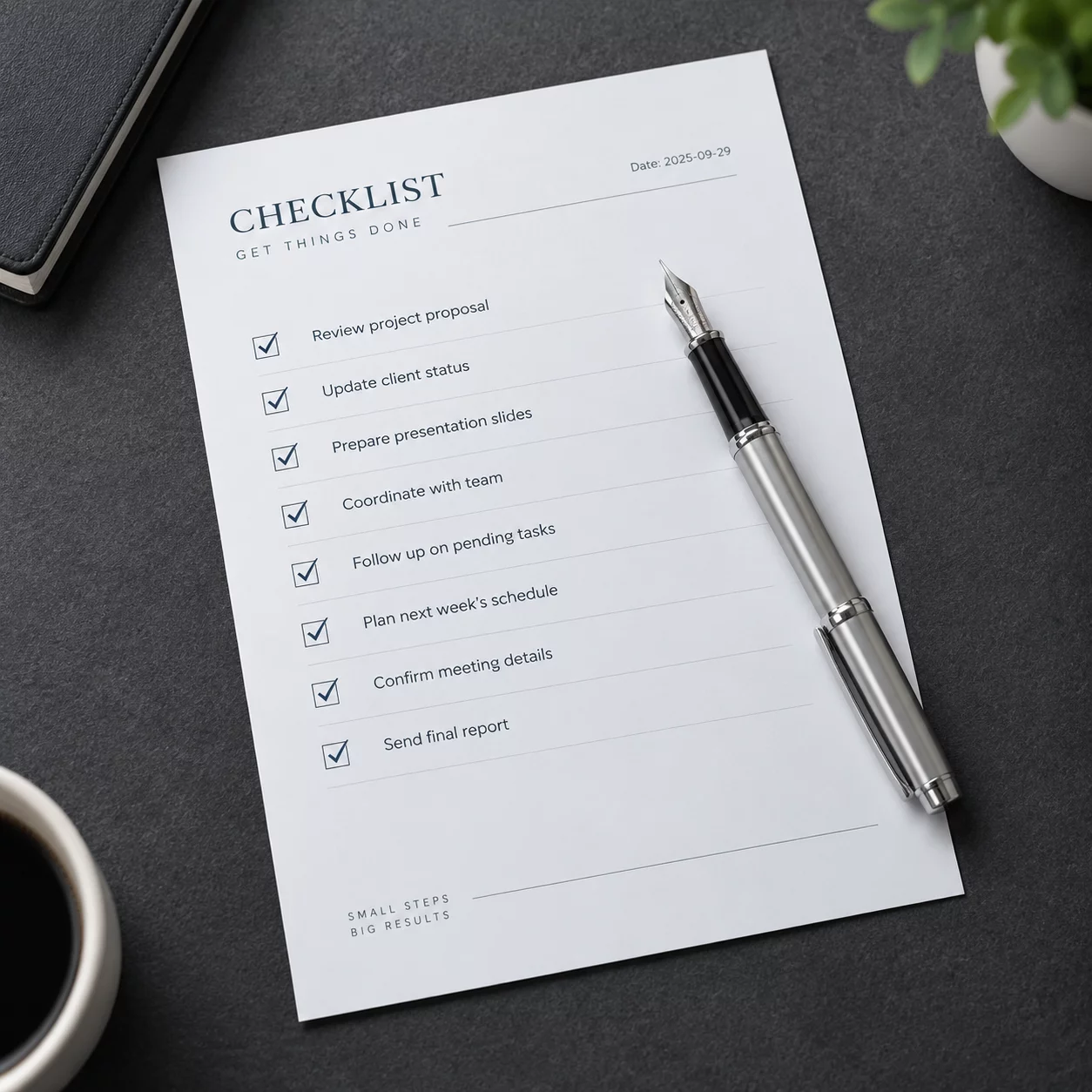
Figure 3.1: Systematic convergence of multi-stakeholder draft branches into a unified preservation artifact.
SPEC-ARC-2026-07
1
Phase 1: Discovery & Inventory
Sweeping Decentralized Repositories
Project contributors frequently store localized copies across personal cloud drives, temporary staging buckets, and presentation decks. Before any consolidation begins, run automated discovery routines across all shared endpoints to catalog every artifact bearing terminal dates or revision flags.
Compile a consolidated metadata ledger detailing file creation timestamps, last modified signatures, and author attribution to map out the branching sequence.
- Execute storage audits across temporary cloud shares and local team storage.
- Generate automated checksum comparison tables to isolate genuine binary differences.
Decision Matrix
Need Consultation on Complex Project Handoffs?
Explore our comprehensive directory of organizational decisions and governance playbooks for long-term document organization.
2
Phase 2: Differential Analysis
Arbitrating Conflicting Edits
When two or more artifacts claim to represent the definitive deliverable, line-by-line and asset-level differential analysis becomes necessary. Never rely on filename labels alone, as team members frequently rename files without syncing latest appendices.
Convene lead contributors to review divergent figures, contract clauses, and presentation slides under a unified arbitration protocol.
Arbitration Rule
In instances of conflicting edits between executive decks and engineering appendices, the version backed by signed stakeholder sign-off documentation takes absolute precedence.
Document the rationale for selecting or discarding specific divergent edits directly within the consolidation changelog.
3
Phase 3: Master Assembly
Assembling and Verifying the Golden Master
Compile all approved sections, appendices, source vector files, and data tables into a standardized archival container. Verify that all embedded links, linked fonts, and raw data models are bundled internally without unresolved external dependencies.
Produce a normalized distribution export alongside the native editable master to guarantee platform independence over ten-year retention cycles.
- Embed full font subsets and vector asset packages directly into preservation containers.
- Generate SHA-256 verification hashes for the consolidated package and record them in the central catalog.
4
Phase 4: Deprecation & Locking
Decommissioning Obsolete Working Drafts
Consolidation fails if legacy draft versions remain accessible as active working files. Once the golden master is authenticated, convert legacy working folders to read-only status and move interim drafts into a segregated quarantine sub-tier.
Apply automated retention flags that mark interim scratch files for systematic purge after twelve months, ensuring future teams never mistake an unapproved draft for the final record.
Practical Clarifications
Frequently Asked Questions on Version Consolidation
Decision Library
Browse Full Decisions
Related Organizational Playbooks


Peer Commentary
Active Thread
Archival Review Debriefs
Submit Archival Feedback
Contribute your analysis to this project record preservation log.
To leave a comment, please log in to your account.
No comments yet. Be the first to leave a comment.