

July 10, 2026
Read Case
Decision Framework Overview
When operational initiatives conclude, active assets gradually slide into deprecated folders, dormant cloud partitions, or detached cold storage. Teams frequently face critical requests for older source files, brand elements, or code artifacts years after initial delivery. This protocol governs the discovery, indexing, integrity verification, and format normalization necessary to return legacy files into production circulation safely.
98.4%
Extraction Integrity Rate
SHA-256
Checksum Verification
< 4 Hours
SLA for Cold Retrieval
Zero Risk
Container Isolation
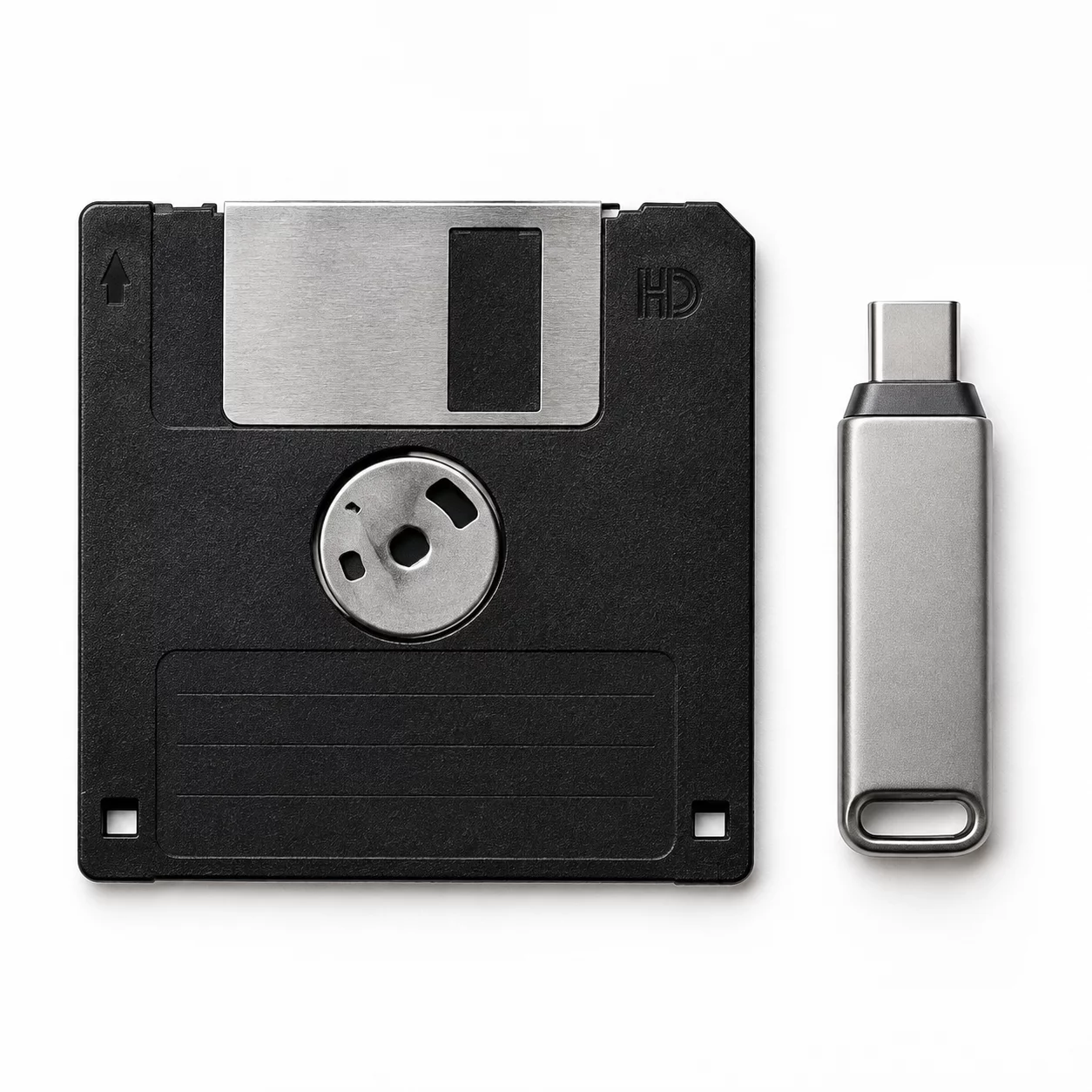
Comparative recovery workflows across legacy magnetic media and modern non-volatile repositories.
FIG-404-RETRIEVAL
1
Phase 01
Inventory Mapping and Storage Discovery
Teams start by compiling legacy manifests across all previous cloud drives, local server partitions, and detached backup drives. Rather than initiating broad and uncoordinated searches, engineers match previous project codes against organizational registries.
A unified index reveals fragmented chunks across disparate departments, highlighting potential missing components before any extraction begins.
- Locate original repository manifests and build dependencies
- Cross-reference historical directory paths with active decommission logs
Decision Protocol
Need Dedicated Consultation on Legacy Recovery?
Schedule an advisory review with our records management specialists to evaluate deprecated systems and establish custom retrieval procedures.
2
Phase 02
Sandbox Extraction and Isolation Verification
Legacy files frequently rely on expired libraries, outdated runtime environments, or superseded graphic plugins. Direct extraction into primary production environments introduces security vulnerabilities and file corruption risks.
Isolated sandbox containers mount target images read-only, allowing technicians to inspect file headers and extract source files without mutating modification timestamps.
Integrity Validation Check
Generate cryptographic checksums immediately upon container mounting to ensure bit-level parity against original delivery signatures.
Technicians then verify format readability across current software suites, determining if format normalization or vector transcoding is necessary.
3
Phase 03
Format Transcoding and Asset Modernization
Proprietary formats from retired toolsets often resist direct opening in modern design or development environments. The modernization phase converts raw legacy binaries into standardized open-specification formats.
All conversion steps maintain complete fidelity while creating immutable mirrors of the untouched original legacy artifacts.
- Transcode closed vector formats into open SVG or high-precision PDF specifications
- Generate comprehensive metadata sidecars capturing creation lineage and author notes
4
Phase 04
Re-indexing and Long-term Ingestion
Retrieved assets return to the organization's central knowledge base under active catalog schemas. Teams assign fresh taxonomy tags, attach historical project credits, and configure role-based access permissions.
The resulting archive record safeguards institutional memory, preventing duplicate development effort whenever past projects inform new initiatives.
Common Questions
Frequently Addressed Retrieval Challenges
Strategic Context
Browse Full Decisions


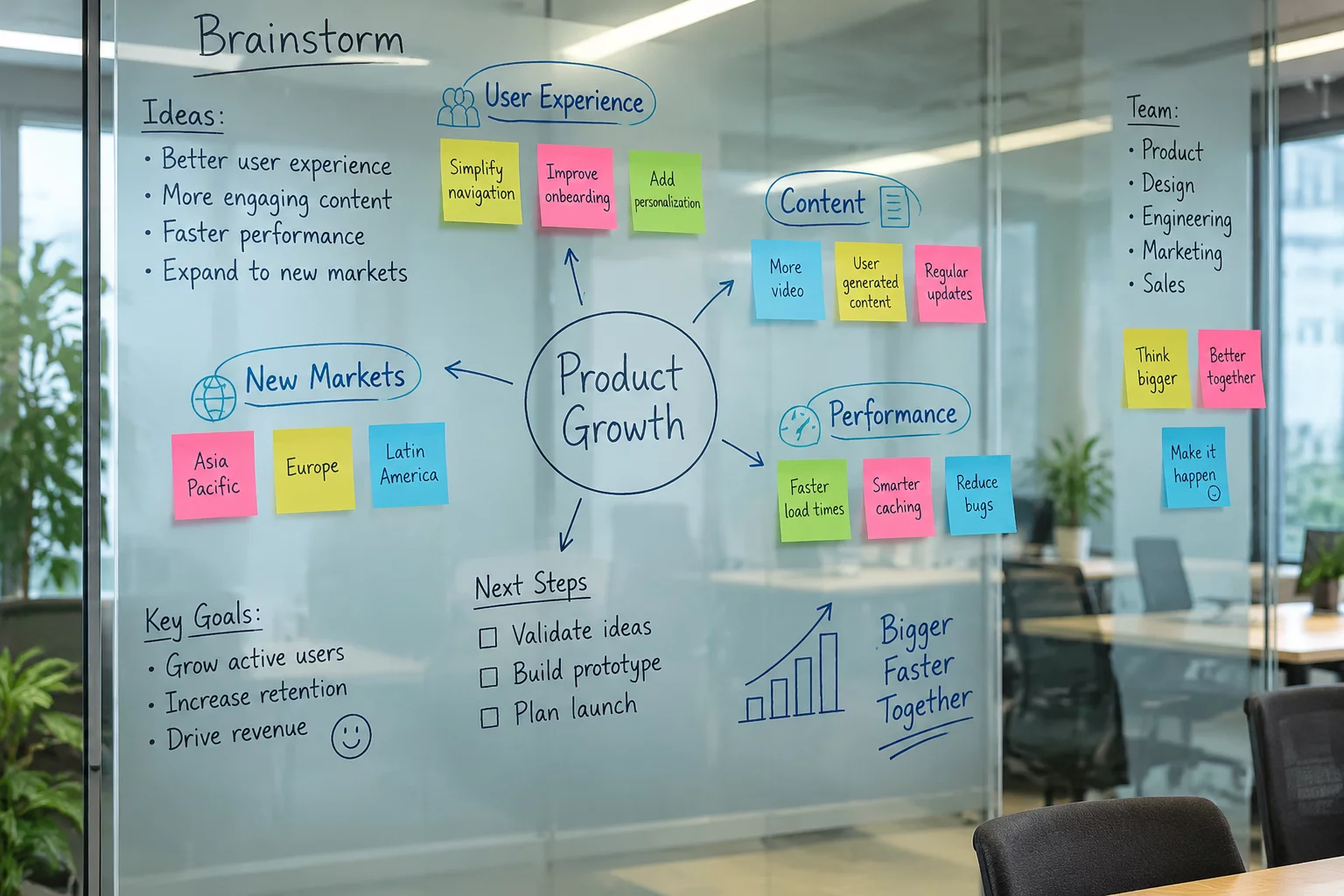
Archival Review Debriefs
Submit Archival Feedback
Contribute your analysis to this project record preservation log.