



Organizational Post-Mortems

Every Archive Has a Reason. Sometimes That Reason Gets Lost.

Read practical stories about completed projects, retained materials, ownership changes, forgotten decisions, and long-term project organization.

9+ Project Cases
100% Handoff Logic
4 Core Retention Pillars
Featured Case Debrief
Doc #07
When the Project Manager Leaves
Ownership Shift

When the Project Manager Leaves

Examine critical documentation gaps, handover protocols, and how unindexed materials get rediscovered months later.

James Wilson
2026-09-18
Context Trace Active Record
Archival Suitability Matrix

Determining if ArchiveReason Fits Your Operational Mandate

Explore whether our structural methodology for project archive organization aligns with your team workflows, governance thresholds, and information governance goals.

Who This Resource Is For

Designed specifically for structured document lifecycles

  • Operations teams standardizing file retention schedules, asset versioning, and post-delivery governance across multiple departments.
  • Creative agencies that must catalog and safely preserve completed-project materials for future client campaigns and legacy showcases.
  • Project coordinators handling complex handoffs and navigating project ownership changes without losing historical working context.
  • Administrative managers enforcing long-term document organization protocols and eliminating duplicate final assets across local servers.
  • IT documentation teams architecting secure, searchable repositories that outlive temporary tools and isolated personnel departures.
Optimized for institutional resilience and audit clarity.

Who This Resource Is Not For

Scenarios outside our architectural framework

  • Teams seeking an automated instant trash bin without running structured post-mortems on completed-project materials.
  • Organizations unconcerned with project ownership changes when key employees or external vendor teams depart.
  • Short-term temporary projects that do not require continuous long-term document organization or reference metadata.
  • Ad-hoc practitioners who favor disorganized shared cloud folders over systematic project archive organization models.
  • Solo operators seeking quick file compression utilities rather than operational policy blueprints and case debriefs.
We focus exclusively on rigorous archival and handover policies.

Archive stories · Ownership · Project history

The Story Behind What We Keep

Explore project-archive stories about changing priorities, forgotten ownership, unfinished work, duplicate materials, and the decisions behind long-term organization.

Why was this material kept, and does that reason still apply?

ArchiveReason Stories is an editorial resource for people reviewing materials after a project ends. The stories and questions help readers consider their own context; they do not process files or make decisions for them.

SYSTEMS
Operational Infrastructure

Archival Stack & Workflow Technologies

A rigorous examination of platforms, disk diagnostics, and indexing utilities utilized to inspect legacy file hierarchies, enforce retention schedules, and prevent unmonitored project sprawl.

Diagnostic

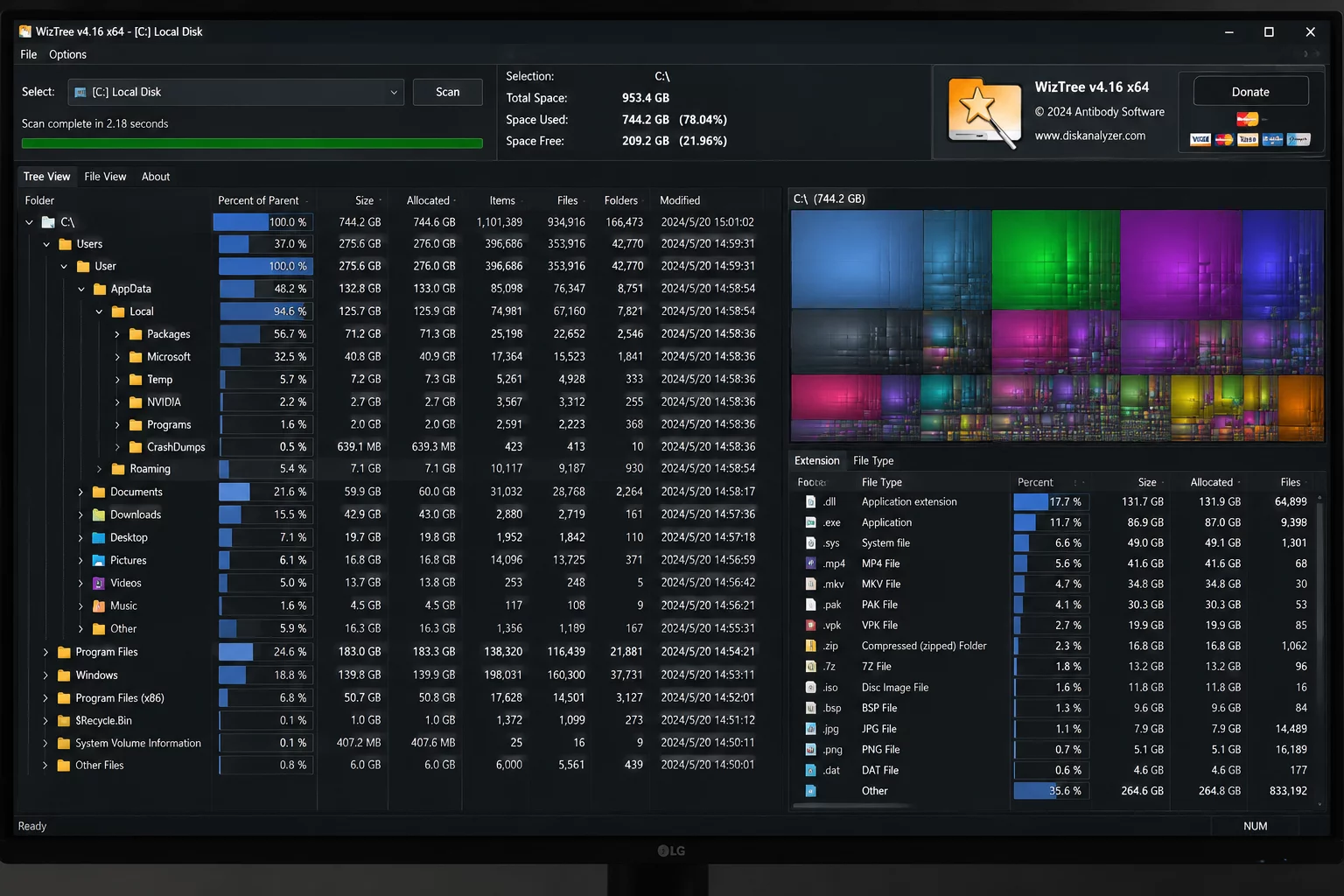
WizTree & Visual Allocation Mappers

Accelerated Master File Table (MFT) scanning engines deployed to trace multi-gigabyte orphaned renders and forgotten nested exports across localized file systems.

Role: Volume AuditsVerified Tier
Cataloging

ExifTool & Schema Extractors

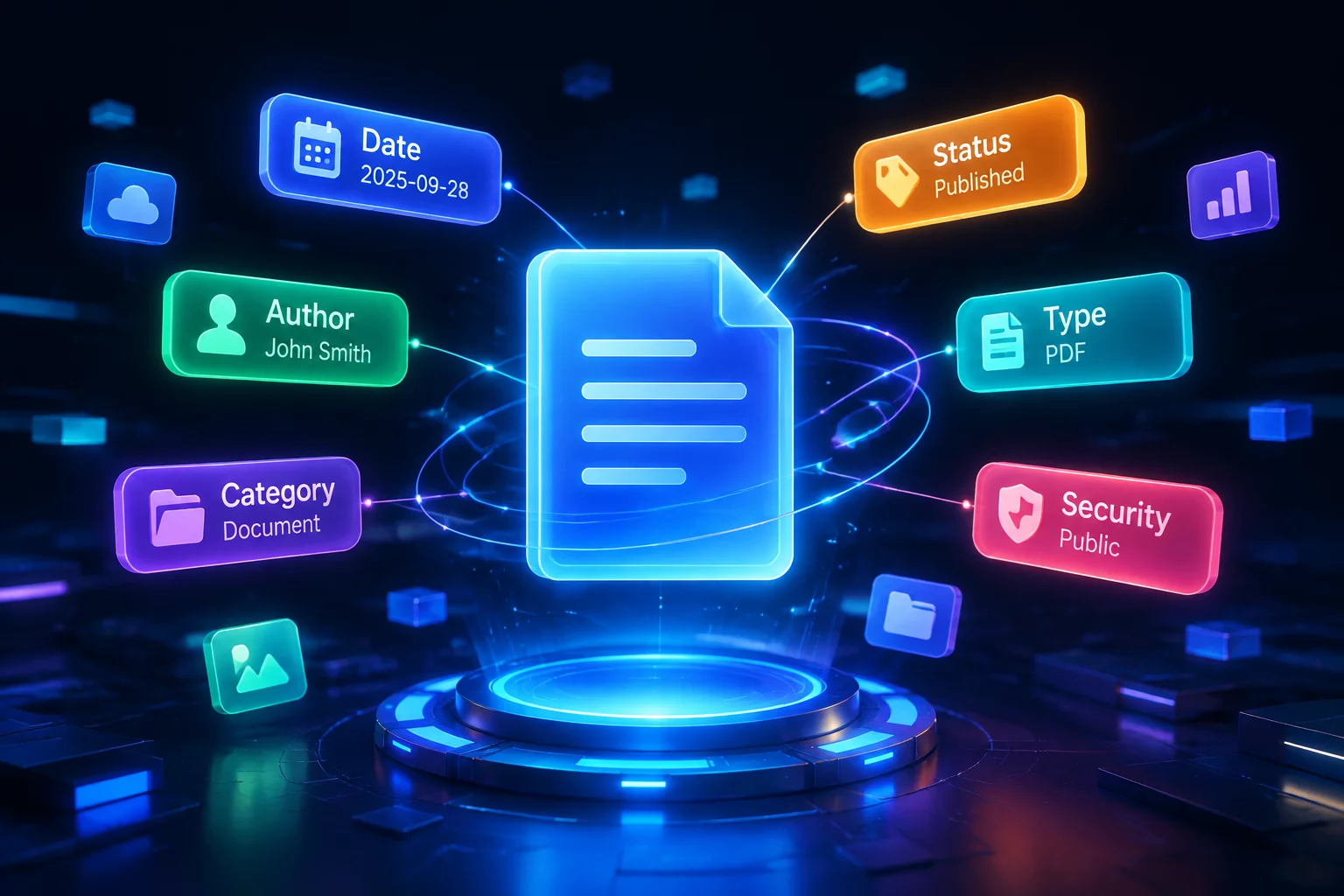
Universal command-line interfaces for reading, writing, and consolidating embedded structural metadata, camera profiles, and author ownership tags.

Role: Attribute IngestionVerified Tier
Governance

Automated Cold Vault Bridges

Policy-driven daemon processes routing finalized project directories into immutable object storage classes with checksum-backed retention guarantees.

Role: Glacier MigrationVerified Tier
Implementation Guide•September 22, 2026•By Sarah Jenkins

Training Teams on Documentation

Software stacks alone cannot guarantee archive integrity. Explore practical methods for onboarding cross-functional personnel into structured file conventions, version sanitation, and ownership transitions.

David Vance - Founder of ArchiveReason Stories
David VanceLead Archival StrategistArchiveReason Stories
Founder's Perspective

Why Archival Clarity Defines What We Leave Behind

Over two decades in enterprise project leadership, I watched vital knowledge evaporate the moment an initiative reached conclusion. We celebrate launch milestones, yet we routinely abandon completed-project materials across unstructured shared drives, unassigned channels, and forgotten repositories.

ArchiveReason Stories exists to document the structural discipline required when project ownership changes occur. When an initiative concludes, teams frequently scatter without formal transition protocols, making long-term document organization an afterthought rather than a core operational asset.

By establishing rigorous standards for project archive organization, we transform abandoned artifacts into reusable institutional memory. Our mission is to ensure that tomorrow's problem solvers never lose the context, design decisions, and hard-earned solutions built yesterday.

David VanceFounder & Principal Researcher
Preserving project lineage since 2024
Post-Project Lifecycle

Completed Projects

When milestones are delivered and celebration fades, active folders become dormant liabilities. Discover how systematic ownership transfers and storage triage preserve institutional knowledge.

Protocol Blueprint•Published Guide

Prioritizing Collection Storage

Separating volatile drafts from canonical master files prevents cloud sprawl and allows next-generation squads to retrieve critical rationale months after delivery.

Version Consolidation
Pruning intermediate duplicate drafts.
Custodian Designation
Explicit ownership handoff records.
2026-08-15•Admin
Read Full Decision

Phased Post-Project Governance Flow

Action 01
Freeze Working Folders

Revoke write access to active collaboration channels and temporary boards to prevent unrecorded alterations.

Action 02
Identify Canonical Assets

Designate the singular approved file per deliverable and detach obsolete work-in-progress forks.

Action 03
Extract Metadata Context

Record primary stakeholders, date of completion, client signoffs, and software version requirements.

Ownership Continuity

Ownership Stories

Transitions in leadership and departing project managers present the highest risk for orphaned records. Structuring custody transfers and documented access keeps critical project archive organization intact over decades.

Formal Handoff Protocols

Without an explicit custodial transfer, files remain locked in personal cloud drives or unmonitored shared partitions. Establishing strict transfer protocols prevents project ownership changes from severing institutional memory.

Credential DeprovisioningReassign root master keys
Index ReconciliationValidate directory manifests

Completed-Project Materials Protection

When custodians exit, long-term document organization ensures successor teams do not waste valuable cycles deciphering deprecated folder structures or orphaned deliverables.

Case Study
2026-09-25
Auditing Your Digital Archive

Auditing Your Digital Archive

Inspect how systematic material audits uncover unassigned data troves left behind after sudden leadership reorganizations and departmental mergers.

David Cole
Read Guide
Archival Ambiguity

Forgotten Context

When active operations conclude, project repositories frequently harbor unclassified deliverables, orphan assets, and detached documents that lack historical context or clear operational ownership.

The Project Was Closed. The Materials Were Still Needed.Case Debrief
Michael Vance•2026-09-25

The Project Was Closed. The Materials Were Still Needed.

An extensive evaluation of repositories abandoned immediately upon project milestone sign-off. When downstream teams required source logic months later, missing contextual records forced laborious forensic reconstruction of disconnected working folders.

Read Complete StoryArchival Record #09

Detached Working Drafts

Temporary files created during sprint transitions without standardized naming, leaving subsequent teams uncertain whether they represent final revisions or abandoned concepts.

Unlinked Data Exports

Raw spreadsheets, schema snapshots, and analytics logs stored without parameter explanations, source timestamps, or extraction scripts.

Orphaned Asset Bundles

Visual assets, compiled binaries, and proprietary templates saved in personal drives rather than structured central vaults.

Explore archive documentation protocols
Browse
Artifact Discrepancies

Multiple Versions

When active projects conclude without strict consolidation protocols, competing versions of the final deliverable remain scattered across shared drives. Review the historical variations below to determine archival integrity.

Reconciling Branch Variations

Select an iteration state to examine changes in file metadata, ownership signatures, and asset completeness before committing to long-term storage.

Protocol:Consolidate legacy duplicates to prevent retrieval confusion.
Variant ID:DOC-2026-V3.1
Modified:2026-07-14

Pre-Handover Working Draft

Contains active design commentary and unresolved appendices. Saved in temporary workspace root without long-term categorization or verified asset licenses.

Assigned Contributor
Unassigned Shared Account
Completeness Status
Missing Final Attachments
Post Project Material Audits
Recommended Framework

Post Project Material Audits

Standardized audit guides for eliminating redundant versions and securing permanent records.

Retention Standard

Long-Term Access

When active operations conclude, operational workspaces dissolve. Archival protocols dictate precisely which project artifacts, contextual records, and decision logs must persist across institutional boundaries.

Architectural Blueprints

Definitive system schemas, deployment topologies, and technical component dependencies required to maintain, refactor, or revive project infrastructure.

Retention:Permanent Tier

Ownership & Handoff Logs

Explicit custody transfer ledgers, designated custodial department contacts, and stakeholder escalation maps to resolve asset inquiries after team disbandment.

Retention:Custodial Lifecycle

Compliance & Audit Trails

Signed vendor master service agreements, licensing certifications, regulatory compliance proof, and financial audit artifacts required by law.

Retention:7+ Years Statutory

Decision Context & Notes

Architectural Decision Records (ADRs), post-mortem summaries, and pivot rationale explaining why key directions were chosen or abandoned.

Retention:Extended Knowledgebase

Need guidance on consolidating your project records?

Explore our structured decision manuals or review documentation best practices.

Audit
Independent Reflection

Decision Questions

Evaluate your team's document lifecycles before closing active workspaces. Review these foundational questions to identify hidden documentation debt.

Ownership & RolesRef. Q-01

Who holds legal and structural ownership of the assets once team members disperse?

When project managers transition out, shared drives frequently revert to unmanaged states. Determine explicit permanent custodians for digital directories rather than temporary sprint leads.

Critical audit stepView Guide
Versions & AssetsRef. Q-02

Can another department distinguish the approved deliverable from exploratory drafts?

Repositories cluttered with duplicate files titled 'Final_v2' waste collective bandwidth. Enforce master record consolidation prior to decommissioning project boards.

Version hygieneView Guide
Access & GovernanceRef. Q-03

Are temporary workspaces, guest tokens, and cloud seats promptly revoked?

Unclosed collaborative channels incur needless licensing costs and expose proprietary records. Establish clear decommissioning routines for every delivered initiative.

Security complianceView Guide
Access & GovernanceRef. Q-04

Is decision context captured alongside the finished technical files?

Files without rationale leave successor teams guessing why architectures were chosen. Ensure documentation debriefs outline critical constraints and alternatives considered.

Archival contextView Guide
Need a structured framework for your organization?

Explore our comprehensive documentation guides and decision logs.

Case Archives

Documented Lessons from Completed Projects

Explore real editorial case studies examining completed-project materials, project ownership changes, and systematic project archive organization after delivery.

DECISIONS
Organizational Playbooks

Decision Protocols for Post-Project Governance

Operational frameworks designed to eliminate orphaned assets, resolve version ambiguities, and formalize project handoffs before teams disperse.

Read, reflect, decide

Questions for Your Own Archive Review

Use the decision questions to examine ownership, working and final versions, unfinished commitments, and future access before deciding what to keep.

Explore Decision Questions
ARCHIVE
Knowledge Repositories

Systematic Project Records and Documentation Standards

Essential guidelines for project archive organization, structuring completed-project materials, managing project ownership changes, and establishing robust long-term document organization across organizational departments.